 Sleep & Shelter
 Old Ranger Days
Outdoor Gear Guide: Choose Equipment for Real Trips
Last reviewed: August 2026.
The best outdoor gear is not always the lightest, most expensive or most heavily advertised product. It is equipment that fits the user, the trip, the weather and the consequences of failure. This hub connects Old Ranger Days’ shelter, sleep, clothing and activity-specific guides into a practical buying method.
Editorial note: Some linked pages contain Amazon US product links. If affiliate links are added or used, Old Ranger Days may earn a commission from qualifying purchases at no extra cost to the reader. Product availability and specifications can change; verify the current manufacturer information before buying.
1. Define the trip before comparing products
Write down the expected temperature range, precipitation, wind, terrain, distance, group size, transport and access to help. Equipment for a drive-in campground is different from equipment carried for several days. A product can be excellent for one use and unsuitable for another.
Separate essentials from comfort items and specialist equipment. Spend first on fit, weather protection, sleep, water, navigation and safety. Avoid buying technical gear until you understand how it will be used and maintained.
2. Shelter: space, weather and setup
Compare tents by intended use, packed size, verified capacity, ventilation, weather protection, pole structure and ease of setup. Manufacturer capacity usually describes sleeping positions, not generous living space. Families and car campers may value headroom and storage, while backpackers must balance weight against strength and comfort.
Start with 10 Best Camping Tents on Amazon in 2026. The guide groups current tent models by use case instead of presenting one universal winner. For vehicle-based trips, see Car Camping for Beginners.
3. Sleeping bags and ground insulation
A sleeping bag rating is only part of the system. Compare the comfort rating, insulation type, fit, hood and draft control, packed size and moisture performance. Pair the bag with a sleeping pad appropriate to the expected ground temperature; compressed insulation beneath the body provides limited warmth.
Use How to Choose a Sleeping Bag to understand ISO temperature ratings and why the extreme number should never be used as a normal planning target.
4. Clothing and waterproof layers
Outdoor clothing should manage rain, wind, temperature and perspiration as a system. Base layers move moisture, insulation retains warmth and shells reduce exposure. Fit and ventilation matter because even a waterproof, breathable garment can feel wet during hard effort.
Read the updated GORE-TEX waterproofing, breathability and care guide for the difference between the membrane and the durable water-repellent treatment, plus guidance on washing and restoring performance.
5. Footwear and backpacks
Choose footwear for terrain, load, weather and fit rather than brand alone. Try it with the socks and insoles you will use, allow enough toe room on descents and resolve pressure points before a long trip. A backpack should match torso length, expected load and access needs; heavier equipment often requires more structure and careful fitting.
Current Amazon US category pages are available through the Old Ranger Days USA shop. Treat these as starting points for comparison and confirm seller, returns, sizing and model specifications.
6. Navigation, power and emergency equipment
Carry tools that still work when a battery, screen or mobile network fails. Depending on the route, this may include a paper map, compass, offline navigation, power bank, headlamp, whistle and satellite communication. Learn every critical device before the trip and store spare batteries appropriately.
The 15-item hiking safety checklist provides a complete pre-trip equipment review without encouraging unnecessary purchases.
7. Activity-specific gear
Specialist activities introduce different standards and risks. A cycling helmet, paddle-board personal flotation device or climbing system cannot be selected using general camping advice. Use equipment designed and certified for the activity, inspect it regularly and obtain training where failure could cause serious injury.
- Cycling equipment and bike types
- Stand-up paddle boarding guide
- Trail running equipment considerations
8. A better buying checklist
- Does it match the exact activity, season and terrain?
- Does it fit the user after realistic adjustment?
- What happens if it fails?
- Can it be repaired, cleaned and maintained?
- Are weight and packed size genuinely important for this trip?
- Is the return policy reasonable?
- Has the current model specification been checked with the manufacturer?
Cold-weather gear decisions
Build a system for the route you expect, then compare the parts that affect water access, weather protection and camp comfort:
- Water: Water bottle vs. hydration bladder for winter hiking and keeping a backpacking water filter from freezing.
- Layers: Fleece vs. puffy jacket and softshell vs. hardshell jacket.
- Rain protection: Rain pants vs. rain skirt for hiking.
- Camp cooking: Canister stove vs. liquid-fuel stove in cold weather.
- Hands and footing: Hiking gloves vs. mittens and microspikes vs. crampons.
Continue exploring
Use equipment inside a complete plan: visit the Hiking Safety Guide, Emergency Preparedness Guide and Bushcraft Skills Guide.
Sleep & Shelter
Sleep & Shelter Sleep & Shelter
Best Camping Tents on Amazon for Car Camping
 Sleep & Shelter
Sleeping Bag Liner vs Warmer Sleeping Bag: Which Should You Buy?
Sleep & ShelterCamping Cot vs Sleeping Pad: Which Is Better for Car Camping?
 Sleep & Shelter
Best Camping Tent Size for 2, 4 or 6 People? A US Campsite Buying Guide
Sleep & ShelterBest Camping Tent for Rain: Rainfly, Seams and Ventilation Buying Checklist
Sleep & ShelterDown vs Synthetic Sleeping Bag for Winter Camping
 Sleep & Shelter
Tent Footprint vs Tarp: 6 Ground Covers Compared (2026)
Sleep & ShelterSnow Stakes vs Regular Tent Stakes for Winter Camping
Sleep & ShelterFoam vs Inflatable Sleeping Pad for Winter Camping: Which Should You Buy?
Sleep & Shelter20°F vs 30°F Sleeping Bag: Comfort Rating, Pad R-Value and Buying Checklist
Sleep & ShelterBackpacking Quilt vs Sleeping Bag: Which Is Better for Cold Nights?
 Sleep & Shelter
Sleeping Pad R-Value Explained: How Much Insulation Do You Need?
 Sleep & Shelter
To Choose a Decent Sleeping Bag
Clothing & Footwear
 Clothing & Footwear
When to Use Microspikes vs Crampons for Winter Hiking
 Clothing & Footwear
200g vs 400g Insulated Hiking Boots: Which Do You Need?
 Clothing & Footwear
Fleece vs Puffy Jacket for Hiking: Which Do You Need?
 Clothing & Footwear
Merino Wool vs Synthetic Base Layers for Hiking
Clothing & FootwearWhat Size Snowshoes Do I Need? Weight and Terrain Guide
Clothing & FootwearWinter Hiking Sunscreen Guide: Snow, Altitude and SPF
Clothing & FootwearSoftshell vs Hardshell Pants for Winter Hiking
Clothing & FootwearBalaclava vs Neck Gaiter for Winter Hiking: Which Should You Wear?
Clothing & FootwearGlacier Glasses vs Sunglasses for Winter Hiking
Clothing & FootwearSnowshoes vs Microspikes: Which Do You Need for Winter Hiking?
Clothing & FootwearSoftshell vs Hardshell Jacket for Hiking: Which Do You Need?
Clothing & FootwearRain Pants vs Rain Skirt for Hiking: Which Works Better?
 Clothing & Footwear
Hiking Gloves vs Mittens: Which Is Better for Cold Trails?
 Clothing & Footwear
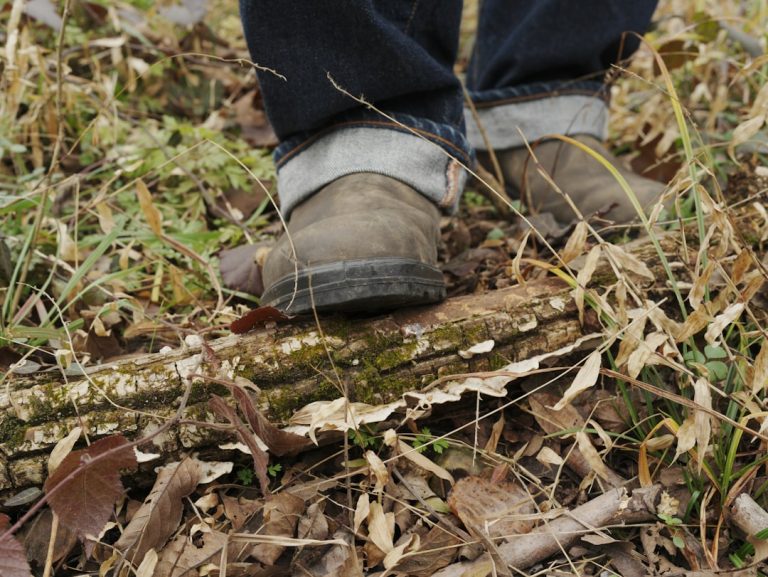
Hiking Socks Guide: Cushion, Height and Materials for U.S. Trails
 Clothing & Footwear
Hiking Gaiters Guide: Low vs. Mid vs. Tall for Mud, Rain and Snow
Clothing & FootwearMicrospikes vs. Crampons for Hiking: A Trail-Condition Decision Guide
Clothing & FootwearRain Jacket vs. Poncho for Hiking: The Best Choice for Fall Weather
 Clothing & Footwear
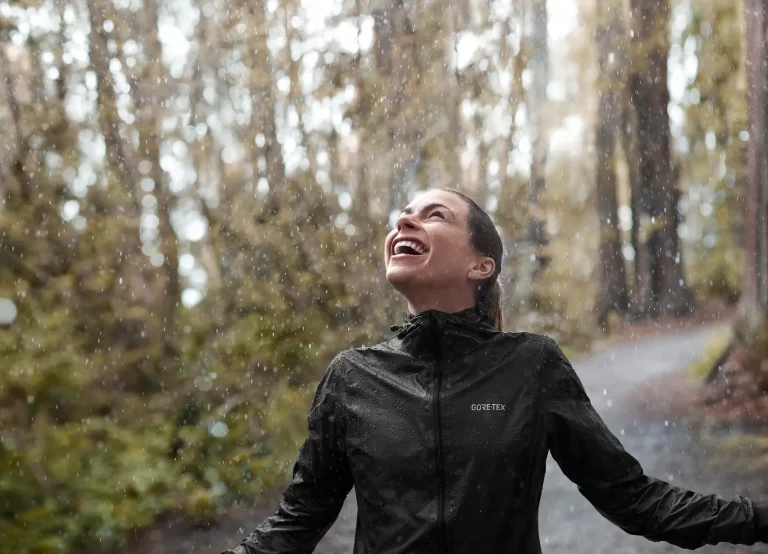
Why Should the Outdoorsy Use GORE-TEX Products?
Packs & Camp Gear
 Packs & Camp Gear
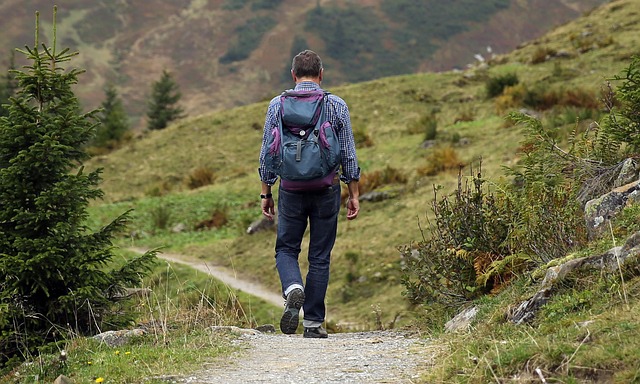
20L vs 30L Daypack for Hiking: Which Size to Buy?
 Packs & Camp Gear
Emergency Blanket vs Bivy for Hiking: Which to Carry
 Packs & Camp Gear
Dry Bag vs Pack Liner for Backpacking: What to Use
 Packs & Camp Gear
BearVault BV450 vs BV500: Which Size Do You Need?
Packs & Camp GearTrekking Poles vs Ice Axe for Winter Hiking: When to Switch
Packs & Camp GearWinter Camping Shovel vs Avalanche Shovel: Which Do You Need?
Packs & Camp GearCold-Weather Hiking Gear on a Budget: What to Buy First (and What to Skip)
 Packs & Camp Gear
Canister Stove vs Liquid Fuel Stove for Cold Weather Camping
 Packs & Camp Gear
Water Bottle vs. Hydration Bladder for Winter Hiking: What Freezes First?
 Packs & Camp Gear
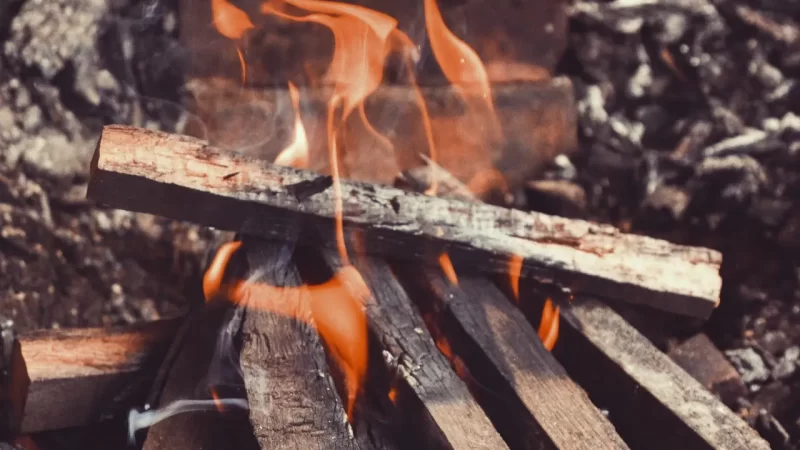
Trekking Pole Buying Guide: Aluminum, Carbon, Cork and 4 Amazon Options
 Packs & Camp Gear
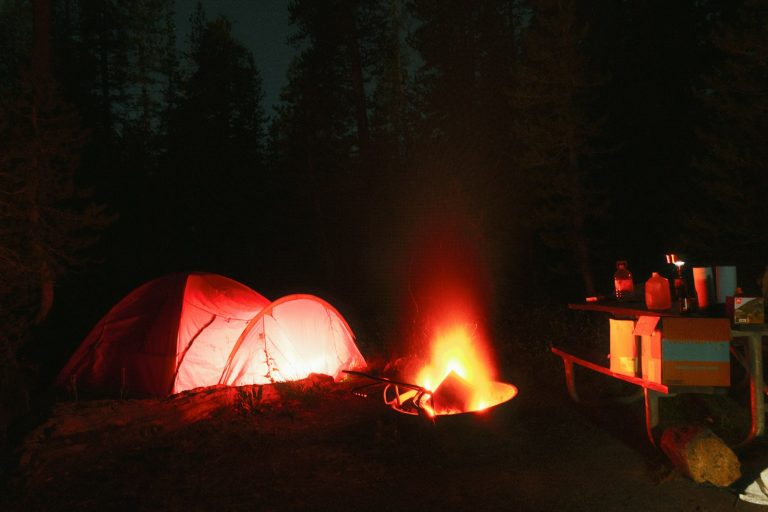
Camping Lantern Buying Guide: Lumens, Batteries and 4 Amazon Options
Packs & Camp GearNOAA Weather Radio for Camping: Alerts, SAME and 4 Amazon Options
 Packs & Camp Gear
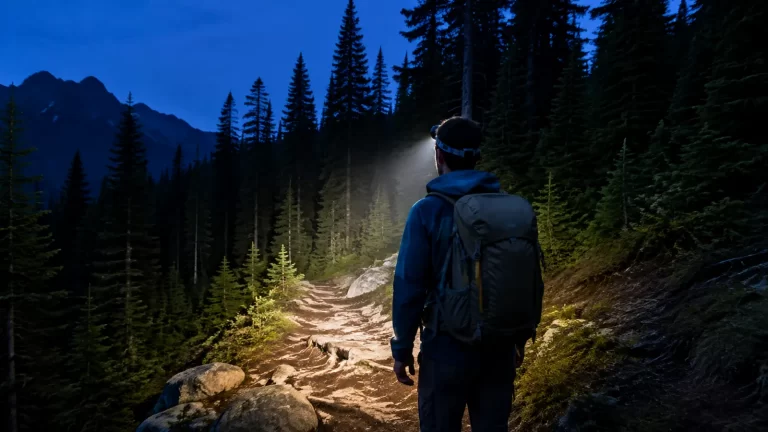
Hiking Headlamp Buying Guide: Lumens, Batteries and 4 Amazon Options
Packs & Camp GearSatellite Safety Devices for Hikers: PLB, Two-Way Messaging and Phone SOS
Packs & Camp GearSingle-Burner vs. Two-Burner Camping Stoves: Which Setup Do You Need?
Packs & Camp GearCamping Stove Types Explained: The Best Choice for Car Camping and Backpacking
Packs & Camp GearCar-Camping Equipment Guide: Family, Solo and SUV Setups
Packs & Camp GearDay-Hiking Gear List: Budget, Beginner and Hot-Weather Kits for U.S. Trails
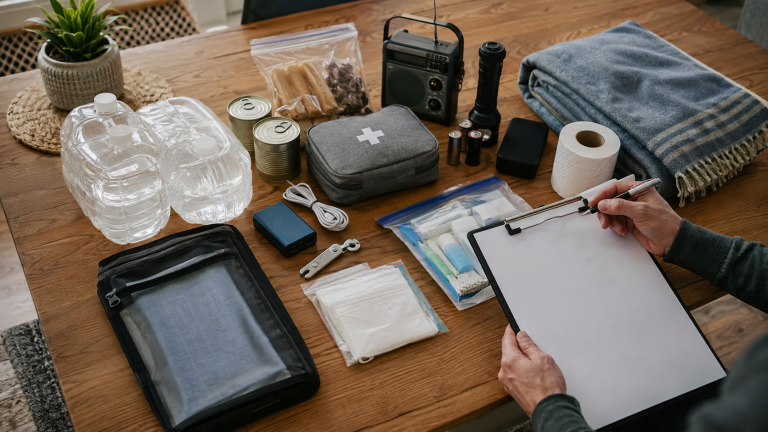
Packs & Camp GearHiking Water Filter vs Purifier: 4 Amazon Picks for Safer Backcountry Water
 Packs & Camp Gear