Old Ranger Days
Sleep & Shelter
Best Camping Tent for Rain: Rainfly, Seams and Ventilation Buying Checklist
In this guide
Quick answer: A rain-ready camping tent needs more than a large waterproofness number. Inspect rainfly coverage, seam construction, floor design, door protection, ventilation and the way the shelter is pitched. No tent stays dry if water pools under it or doors are left exposed in a storm.
Affiliate disclosure: Old Ranger Days may earn from qualifying purchases through clearly labeled affiliate links. This guide does not include new affiliate shopping links. We have not personally tested the tents discussed, and no prices or stock claims are made.
Full-coverage rainfly versus partial fly
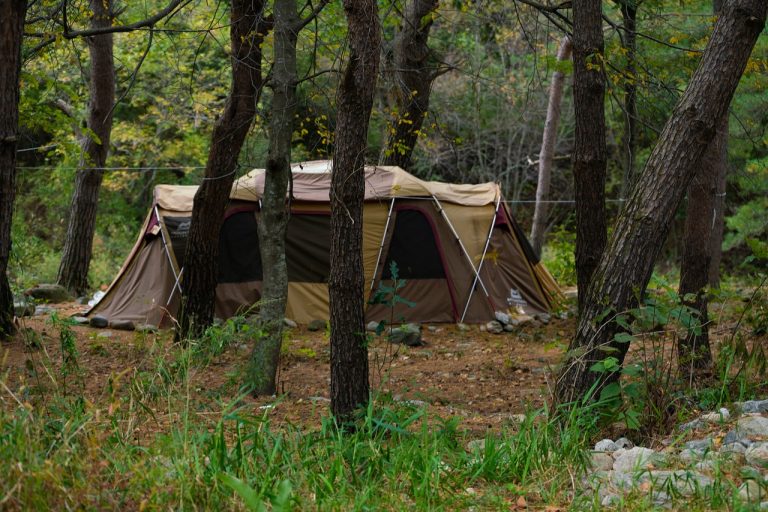
A full-coverage fly generally shields more of the inner tent and doors from wind-driven rain. A partial fly can be convenient for fair-weather car camping but may expose more wall area. Inspect actual product photographs and setup diagrams, not just a listing headline.
Sealed seams and bathtub floors
Seam taping or manufacturer-recommended seam sealing helps protect stitched areas. A bathtub floor extends waterproof floor material up the lower walls to reduce splash and runoff entry. Confirm whether seams arrive factory taped and whether any user-applied treatment is required for the specific model.
Ventilation matters even in wet weather
Condensation forms when warm, humid interior air meets colder fabric. Protected vents, a well-tensioned fly and thoughtful campsite selection can help manage moisture. A wet interior is not always a fabric leak. Our tent condensation troubleshooting guide explains the difference.
Vestibules, doors and storm setup
A vestibule creates a place for wet shoes and packs without crowding sleeping space. Choose an entrance that can be opened without funneling water onto bedding. Practice staking and tensioning the fly before a trip; secure guy lines when conditions require them and follow manufacturer instructions.
Rain-ready tent shopping checklist
- Check full fly coverage and door protection.
- Confirm seam treatment and floor construction.
- Look for protected vents and a practical vestibule.
- Compare floor dimensions to sleeping pads.
- Check pole design, guy-out points and setup requirements.
- Verify repair options and replacement pole availability.
- Check the exact variant and manufacturer specifications; avoid relying on an unverified star rating or “waterproof” headline alone.
What about winter snow?
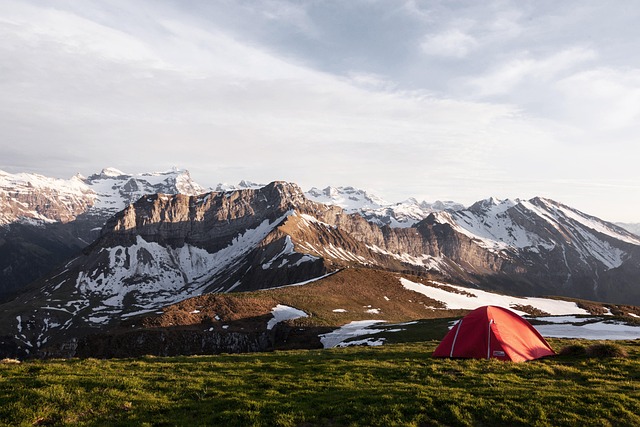
A tent designed for rainy three-season trips is not automatically engineered for heavy snow loading or severe alpine winds. If your plans involve exposed winter camps, read our 3-season versus 4-season tent guide and choose for the actual forecast and terrain.
For models and shopping options, continue to our 2026 camping tent comparison. For vehicle-based trips, see the car-camping equipment guide. If you expect winter storms, read 3-season vs 4-season tents before choosing.
Field safety: Follow local flood and severe-weather warnings, avoid low-lying drainage areas, and never use a fuel-burning stove or heater inside the sleeping compartment. See the National Weather Service flood safety guidance.
Old Ranger Days is research-based: we work from verified specifications and official sources, and never claim hands-on testing unless it happened. Some links may be affiliate links. Editorial policy · Affiliate disclosure