Old Ranger Days
Sleep & Shelter
Best Camping Tent Size for 2, 4 or 6 People? A US Campsite Buying Guide
In this guide
Quick answer: Tent capacity is a starting point, not a comfort guarantee. A two-person tent may fit two sleeping pads but leave little room for packs; families often prefer additional floor space when a campsite permits it. Choose based on your actual pad dimensions, headroom needs, vehicle space and campground rules.
Affiliate disclosure: Old Ranger Days may earn from qualifying purchases through clearly labeled affiliate links. This guide does not include new affiliate shopping links. We have not personally tested the tents discussed, and no prices or stock claims are made.
Why the printed tent capacity can mislead buyers
“2-person” and “4-person” labels describe a nominal sleeping capacity, not a standardized promise of roomy living space. Floor shape, sloping walls, center height and door placement affect usable room. Always compare the manufacturer’s floor dimensions with the exact width and length of your sleeping pads.
Two-person tents: couples versus solo campers
A two-person backpacking tent can be sensible for a solo hiker wanting gear space, or for two people who pack light. For two wide pads, measure the interior floor width carefully. Two doors and vestibules can reduce midnight climbing over a partner, but add weight or complexity depending on design.
Four-person tents: a common car-camping compromise
A four-person tent can suit two adults who want room for clothing and a dog, or a family willing to sleep closely. For four full-size sleepers, check floor length and width rather than trusting the capacity label. If rain is likely, prioritize a rainfly that protects doors and a vestibule or sheltered entry.
Six-person tents: when extra space helps—and when it does not
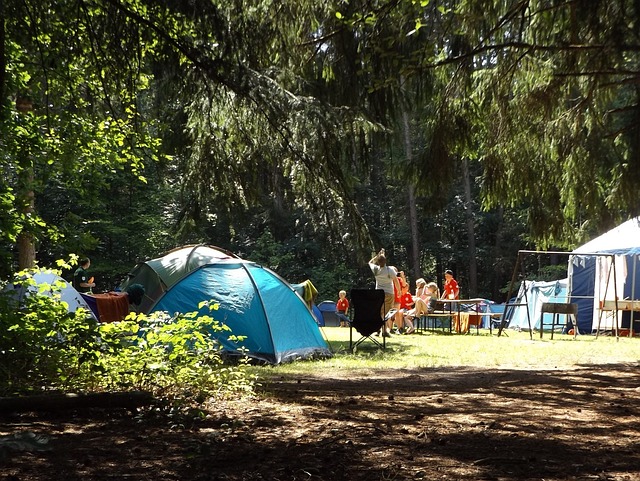
Large cabin-style tents often offer more standing room for family car camping, but they can be harder to pitch in wind and may not fit every tent pad. Before buying, check campground pad dimensions, total footprint including guy lines, packed length, and whether your vehicle can carry it.
Buyer checklist: measure before clicking “buy”
- Lay out your actual sleeping pads at home and record their combined width and length.
- Check interior dimensions and wall shape, not just square footage.
- Decide whether wet shoes and backpacks need a vestibule.
- Check peak height, door access and ventilation.
- Compare packed dimensions and weight for your transport method.
- Verify tent-pad limits, stakes and weather exposure at your intended U.S. campground.
- Review the specific model and size on the seller and manufacturer pages; avoid assuming all variants are identical.
Which tent size should you choose?
Solo backpacker: consider a 1- or 2-person lightweight shelter based on comfort and pack weight. Two-person car camping: compare 3- and 4-person layouts for roomier sleeping. Family of four: evaluate 6-person floorplans if site space and transport allow. These are planning examples, not universal fit guarantees.
For models and shopping options, continue to our 2026 camping tent comparison. For vehicle-based trips, see the car-camping equipment guide. If you expect winter storms, read 3-season vs 4-season tents before choosing.
Safety note: Do not operate fuel-burning stoves or heaters inside a tent. Check the National Park Service camping information and your destination’s local regulations.
Old Ranger Days is research-based: we work from verified specifications and official sources, and never claim hands-on testing unless it happened. Some links may be affiliate links. Editorial policy · Affiliate disclosure