 Bushcraft
 Old Ranger Days
Bushcraft Skills Guide: Fire, Water, Shelter and Navigation
Last reviewed: August 2026.
Bushcraft is the practical use of outdoor knowledge to live and travel more competently in natural environments. It includes fire, water, shelter, navigation, tool care, knots and observation. The goal is not to damage the landscape or perform risky survival stunts; it is to develop reliable skills through controlled practice and responsible decisions.
1. Start with judgement, not equipment
Before practising any skill, understand local laws, fire restrictions, land-manager rules, weather and environmental sensitivity. Begin close to help, carry normal safety equipment and tell someone where you are going. A knife, axe or fire steel does not create competence on its own—safe technique and repetition do.
Use Bushcraft: Skills to Survive as the foundation for this cluster. It introduces shelter, fire, water, navigation and modern Leave No Trace principles.
2. Fire: control every stage
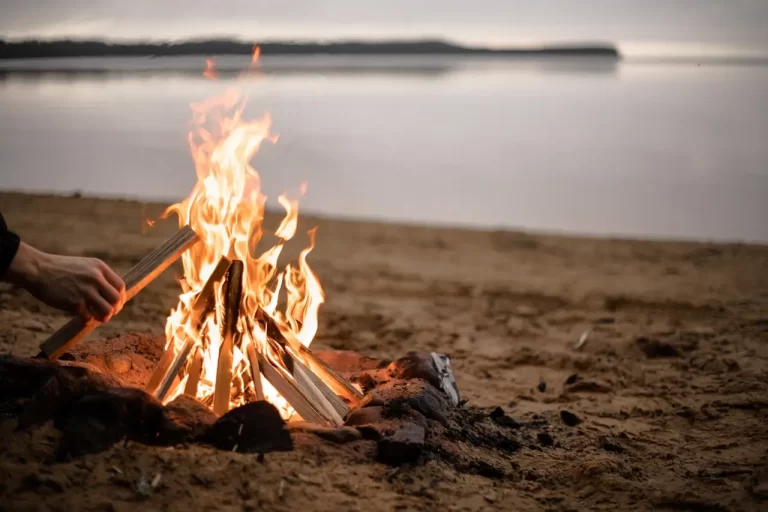
Learn site selection, preparation, ignition, fuel management and complete extinguishment. Use established fire rings where required and choose alternatives when a fire would damage soil, vegetation or cultural sites. Never light a fire during a ban or when wind and drought make control uncertain.
Our step-by-step guide to making a campfire safely explains common fire lays, responsible fuel collection and how to leave every ember cold. Practise first where fires are legal and water is immediately available.
3. Water: locate, collect and treat
Water knowledge includes route planning, recognizing likely sources, carrying enough capacity and choosing a treatment method for the hazard. Boiling, filtration and chemical disinfection each have limitations. Sediment, microorganisms and chemical contamination are different problems, so avoid assuming that clear water is safe.
Study how to find and purify water in the wilderness, then practise using your treatment equipment before a remote trip.
4. Shelter: manage wind, rain and ground loss
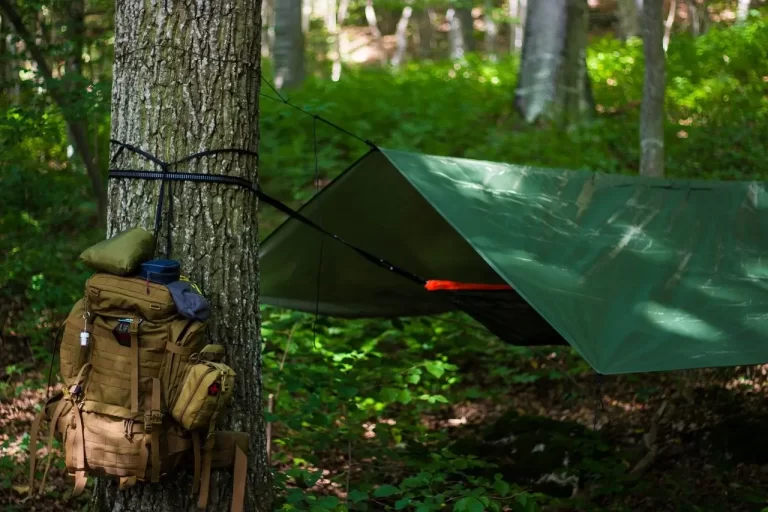
A shelter should reduce exposure without creating hazards from falling branches, flooding, unstable ground or poor ventilation. Site selection often matters more than complex construction. Carry an appropriate tent, tarp or emergency shelter while learning; natural-material shelters may be prohibited and can cause unnecessary impact.
For established-camp options, compare current designs in the 2026 camping tent guide. Cold-weather shelter also depends on ground insulation and a suitable sleeping system.
5. Knots and cordage
Learn a small number of knots well enough to tie, inspect and release them under realistic conditions. Match the knot and cordage to the task, and never assume recreational cordage or an unfamiliar knot is safe for climbing, rescue or life support.
Begin with five basic outdoor knots and practise with clear purposes such as securing a tarp, tensioning a guyline or bundling equipment.
6. Navigation and observation
Awareness of terrain, weather, daylight and direction prevents many emergencies. Use a map, compass and offline GPS together where appropriate. Sun, stars, vegetation and landscape features can support orientation, but natural clues are variable and should not replace navigation instruments.
Read the outdoor navigation guide and practise on familiar terrain before depending on the skills remotely.
7. Foraging requires certainty
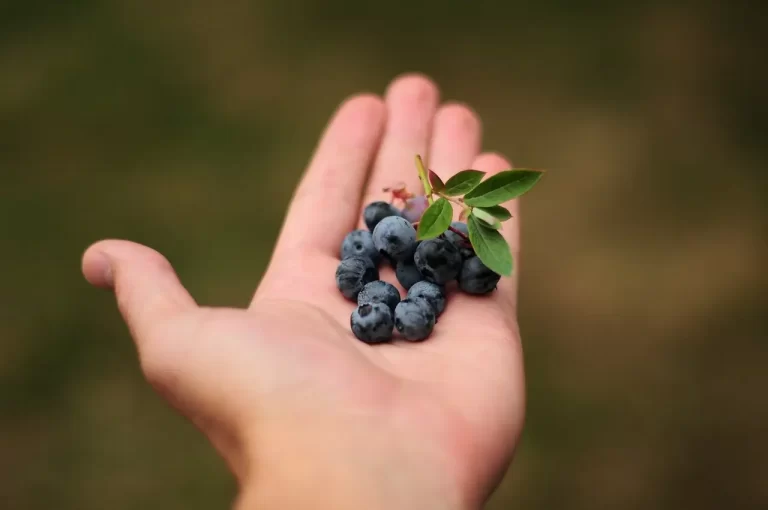
Never eat a wild plant because it resembles a photograph or because an app suggests an identification. Toxic lookalikes, pesticides, contaminated soil and local collection laws all matter. Learn in person from a qualified local expert and use multiple identifying features.
Edible Wild Plants in Nature introduces the topic, but it should be treated as background reading rather than a stand-alone identification manual.
Bushcraft learning path
- Bushcraft foundations
- Campfire technique and safety
- Wilderness water treatment
- Five basic knots
- Navigation fundamentals
- Responsible introduction to wild plants
Continue exploring
Connect field skills to the Emergency Preparedness Guide, plan trips through the Hiking Safety Guide, and select equipment with the Outdoor Gear Guide.
All bushcraft guides
Bushcraft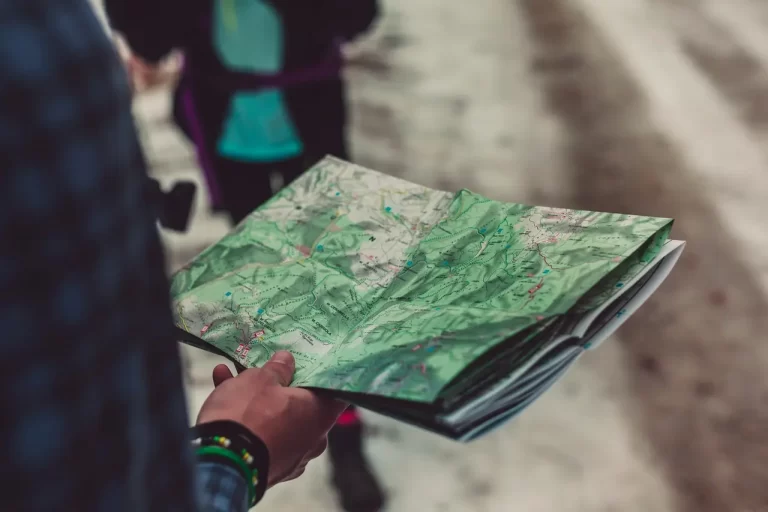 Bushcraft
7 Bushcraft Skills You Can Practice Close to Home
 Bushcraft
How to Make a Campfire
 Bushcraft
Edible Wild Plants in Nature
 Bushcraft
, Skills to Survive
 Bushcraft
5 Basic Knots to Use in the Great Outdoors
 Bushcraft
Finding Direction in Nature Using Basic Techniques
 Bushcraft