 Old Ranger Days
In this guide
- Quick answer: the safest campfire alternatives
- 1. Check the exact fire restriction
- 2. Legal cooking alternatives
- 3. Warmth without a campfire
- 4. Light without flame
- 5. Create campfire atmosphere without imitation flames
- 6. What about propane fire pits?
- 7. When every flame is prohibited
- Fire-ban trip checklist
- Frequently asked questions
- Bottom line
- Official examples and resources
Campfire alternatives during fire bans must begin with one rule: read the exact order for the exact land you will visit. A “fire ban” is not a single nationwide standard. One agency may prohibit wood and charcoal but allow a pressurized-gas stove; another may prohibit every flame, restrict devices to developed campgrounds or require a specific shutoff valve.
Never treat a gear label, old social post or neighboring county’s rules as permission. Restrictions can change daily with wind, fuel moisture, active incidents and firefighting capacity. If the written order is unclear, contact the park, forest, Bureau of Land Management office, state agency or local fire authority before leaving.
Quick answer: the safest campfire alternatives
- Cooking: no-cook meals, or a pressurized gas/liquid-fuel stove only when the current order expressly permits it.
- Warmth: layered clothing, insulated sleeping gear, hot food prepared legally and an earlier bedtime.
- Light: LED headlamps, lanterns and string lights.
- Atmosphere: a circle of chairs around a battery lantern, music at respectful volume, cards or stargazing.
- When all flame is prohibited: switch completely to electric light and ready-to-eat food.
1. Check the exact fire restriction
Start on the land manager’s official alerts or current-conditions page on the morning of departure. Screenshot or download the order because reception may disappear at the trailhead. Read the definitions and geographic boundaries, not only the headline.
Confirm these details:
- Are wood fires, charcoal, briquettes and twig stoves prohibited?
- Are gas or liquid-fuel stoves allowed?
- Must an allowed stove have an on/off valve that immediately extinguishes the flame?
- Are propane fire pits or heating devices included in the ban?
- Do the rules differ between developed campgrounds, picnic areas and wilderness?
- Is a permit required?
- What are the effective date, elevation boundary and map?
- Are there separate county, state or tribal restrictions?
Current U.S. examples show why assumptions fail. In 2026, North Cascades National Park’s ban prohibited devices that produced ash and also prohibited propane fire pits, while allowing certain gas or propane cooking devices with immediate shutoff valves and clear space. Yosemite’s restrictions use elevation and location-specific stages. The legal option depends on the current order where you are standing.
2. Legal cooking alternatives
No-cook meals
No-cook food is the most dependable option because it removes flame, fuel leaks and stove-tip hazards. Build meals around foods that remain safe at expected temperatures: tortillas, nut or seed butter, tuna or chicken pouches, hard cheese for suitable conditions, jerky, shelf-stable hummus, dried fruit, nuts and ready-to-eat bars. Follow food-storage rules in bear country.
Pressurized gas stove—only when allowed
Many restrictions permit a gas stove with a valve that can shut the flame off immediately, but this is not guaranteed. If permitted, place the stove on a stable, nonflammable surface with the required clearance from dry grass, duff, branches and tent fabric. Keep it attended, protect it from tipping and have water available for an emergency.
Do not operate a stove inside a tent, vehicle or other enclosed sleeping space. Fire and carbon-monoxide hazards remain even when the device is legal outdoors. Windshields must be used exactly as the stove manufacturer directs; enclosing a canister can cause dangerous overheating.
Liquid-fuel stove
Some orders allow liquid-fuel stoves, while others limit permitted devices differently. Priming can produce a larger temporary flame, so a liquid-fuel stove may be a poor choice in dry, windy conditions even if technically allowed. Practice at home on a safe surface and follow the current order and manufacturer instructions.
3. Warmth without a campfire
A campfire warms mainly the people closest to it and can encourage campers to stay up after temperatures fall. Build warmth into the sleep system instead:
- Change out of sweat-damp clothing before you cool down.
- Add a dry base layer, insulating midlayer, shell, warm hat and gloves.
- Use a sleeping pad with enough insulation for the ground conditions.
- Select a sleeping bag appropriate for the forecast and your personal sleep style.
- Eat adequate calories and hydrate before bed.
- Do brief, gentle movement before entering the bag, but avoid sweating.
- Use a warm-water bottle only if you can heat water legally and the bottle is designed to seal reliably.
For cold trips, study our winter camping essentials and sleeping bag selection guide. If forecast conditions exceed your equipment or experience, relocate or cancel instead of counting on a prohibited fire.
4. Light without flame
- Headlamp: best for walking, cooking and hands-free tasks.
- Diffused LED lantern: creates comfortable shared light without sparks or combustion.
- Rechargeable string lights: useful at a developed campsite when positioned without damaging trees.
- Backup flashlight: protects the group if a primary battery fails.
- Red-light mode: preserves more night vision and reduces disturbance to nearby campers.
Pack spare power appropriate to the trip. Keep lighting modest, aim beams downward and respect campground quiet hours. A bright campsite is not safer if it blinds visitors walking nearby or erases everyone’s view of the night sky.
5. Create campfire atmosphere without imitation flames
Place a warm-colored LED lantern in the center of the seating area and arrange chairs around it. Share a dessert, play cards, tell stories, identify constellations or listen for nocturnal wildlife. The social circle—not the combustion—is what most people remember.
Avoid candles, torches, fireworks, sky lanterns and “smokeless” wood devices. They still involve flame, heat, embers or ash and may be expressly prohibited. A small flame is not a legal loophole.
6. What about propane fire pits?
Propane fire pits are sometimes marketed as controllable alternatives, but permission varies. An order may allow cooking stoves yet prohibit propane fire pits or recreational heating devices. They also produce substantial heat and can ignite surrounding material. Use one only when the written restriction explicitly permits that device in that place, and follow clearance and supervision requirements.
7. When every flame is prohibited
Plan an entirely flame-free camp:
- Pack food that is safe and palatable without heating.
- Carry enough insulated clothing and sleep-system warmth for the lowest forecast.
- Use battery-powered light only.
- Do not carry “just in case” candles, alcohol burners or solid-fuel tablets.
- Keep vehicles off tall dry grass, where hot components can ignite vegetation.
- Report smoke or illegal fire use according to the land manager’s instructions; call 911 for an active emergency.
If a flame-free plan is not safe for the expected cold, choose another destination or date. A fire ban is a risk-control measure, not an inconvenience to work around.
Fire-ban trip checklist
- Official order and map downloaded on departure day
- Allowed and prohibited devices confirmed in writing
- Permit checked
- No-cook backup food packed
- Warm clothing, pad and sleeping bag matched to forecast
- LED lighting and backup batteries packed
- Food-storage regulations reviewed
- Emergency exit and communication plan shared
Frequently asked questions
Can I use a camp stove during a fire ban?
Sometimes, but only if the current order permits your exact stove type and location. Many agencies require a pressurized fuel source and an on/off valve; some impose additional clearance or campground rules.
Are charcoal grills allowed?
Often not. Charcoal produces hot coals and ash that cannot be turned off immediately. Read the order rather than assuming a campground grill is exempt.
Is a twig stove an alternative to a campfire?
Usually not during restrictions that prohibit wood fires or devices producing ash. Yosemite, for example, expressly includes twig stoves in some restriction stages.
Can I have a candle or tiki torch?
Do not assume so. These are open flames and may be prohibited. LED alternatives provide light without embers, liquid fuel or an unattended wick.
Bottom line
The best campfire alternatives during fire bans are simple: official information, flame-free food when necessary, insulated gear for warmth and LED light for camp. If an order allows a stove, legality does not remove the need for stable placement, clearance and constant attendance. Check again every trip because yesterday’s answer may be wrong today.
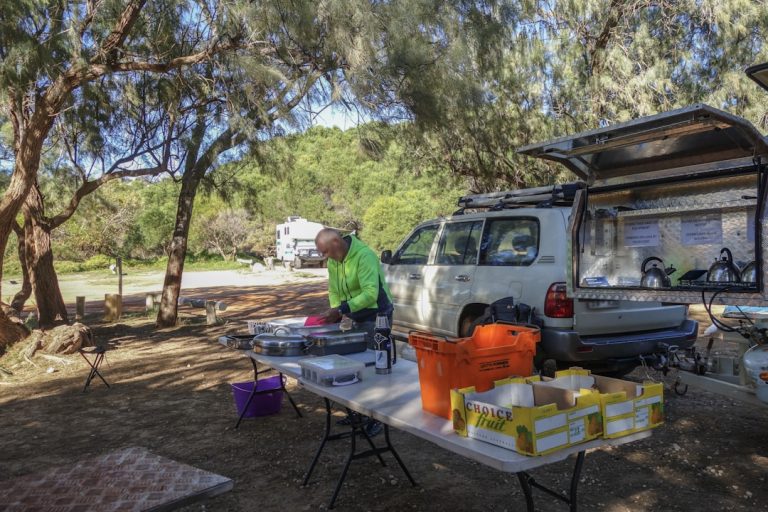
A fire-safe cooking plan works best as part of the whole campsite system. Our car-camping equipment guide organizes shelter, sleep, kitchen, water and safety gear for family, solo and SUV setups.
Official examples and resources
- Yosemite National Park: Fire Restrictions
- North Cascades National Park: 2026 Campfire Ban
- Joshua Tree National Park: 2026 Fire Restrictions
- Old Ranger Days: How to Make a Campfire When Fires Are Legal
Old Ranger Days is research-based: we work from verified specifications and official sources, and never claim hands-on testing unless it happened. Some links may be affiliate links. Editorial policy · Affiliate disclosure