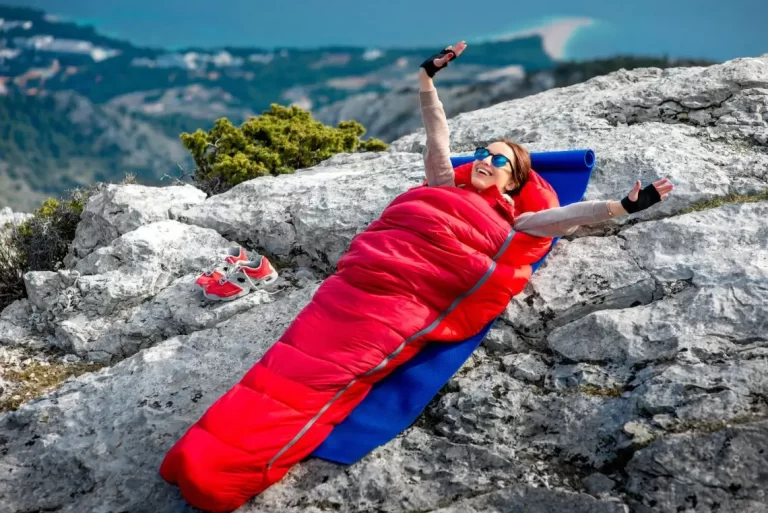
 Old Ranger Days
In this guide
2026 update: choose the complete sleep system
A sleeping bag rating is useful only when you read it correctly and pair the bag with an insulated sleeping pad. The current ISO 23537-1:2022 standard provides standardized thermal test requirements for adult camping and leisure sleeping bags, but real comfort still varies with the sleeper, clothing, food, wind, humidity and shelter.
- Comfort: the better planning number for a cold sleeper. Choose a comfort rating below the lowest forecast temperature and add a safety margin.
- Limit: a lower boundary intended for a warmer sleeper in a curled position. Do not treat it as a guaranteed comfortable night.
- Extreme: an emergency survival reference, not a temperature to plan a normal trip around.
- Ground insulation: the bag and sleeping pad work as a system. A warm bag over an inadequate pad can still feel cold because compressed insulation beneath you provides little protection.
- Fit and moisture: choose enough room to move without excessive empty space, keep the bag dry and use the hood and draft collar when conditions require them.
Before a cold trip, test the full setup close to home and read our winter camping guide and 15-item hiking safety checklist.
Affiliate disclosure: Some product links on this page may be affiliate links. Old Ranger Days may earn a commission from qualifying purchases at no extra cost to you.
Sleeping bags are our indispensable items in camping trips we take. To ensure a warm night in winter camping or in any other seasons of the year that might cause to have cold sleeping experience, we prefer to use them to avoid getting hypothermia or frostbite. While polyester walls of tents cannot push the wind back to where it comes from, they are highly recommended. But, do you exactly know how to choose a decent sleeping bag?

Firstly, you should know that sleeping bags are made of either down or synthetic filling material. Down sleeping bags filled with feathers from ducks or geese, synthetic sleeping bags filled with poly-fibers. And, each has their own pros and cons:
Down sleeping bag
- Pros : Lightweight, comfortable, easy to compress, has long-life and perfect insulation.
- Cons : Hard to clean, bad performance when wet and very very expensive compared to synthetic ones.
Down fill power is a measure of loft per unit weight, not a sleeping bag’s temperature rating. Higher-fill-power down can achieve a similar warmth with less fill weight, but total fill weight, bag construction, fit, moisture management and the insulated sleeping pad all influence real-world warmth. Compare a bag’s published ISO/EN comfort rating when available rather than assuming that an 800-fill-power bag is automatically warmer than a 600-fill-power bag. For practical buying decisions, see our 20°F vs 30°F sleeping bag comparison and sleeping pad R-value guide.
Synthetic sleeping bag
- Pros : Hypoallergenic, no special instructions to clean and logical price.
- Cons : Bulky, heavy, hard to compress, short life and less heat retention than down sleeping bags.
Types to choose a decent sleeping bags
Secondly, you must decide what kind of sleeping bag you want to use. There are two main types of sleeping bags. Mummy and rectangular. Others are just derivatives of those two types.
Mummy
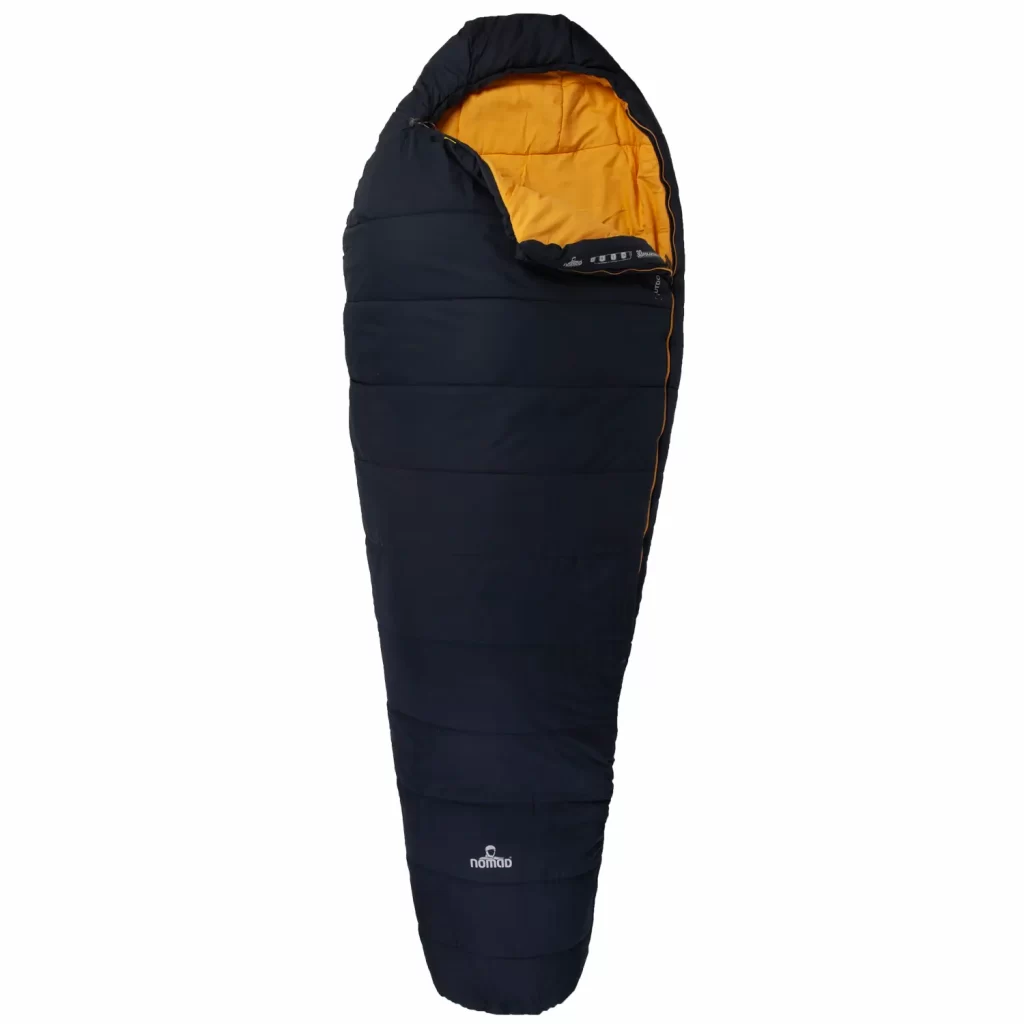
Covering body like being mummified, it is the most popular type especially for the adventures you might expect to confront extreme weather temperatures. Mummy type has a snug fit around the feet and a hood pulled tightly in order to get the best heat preservation. However, that cocoon feature can limit your movements while sleeping.
Rectangular
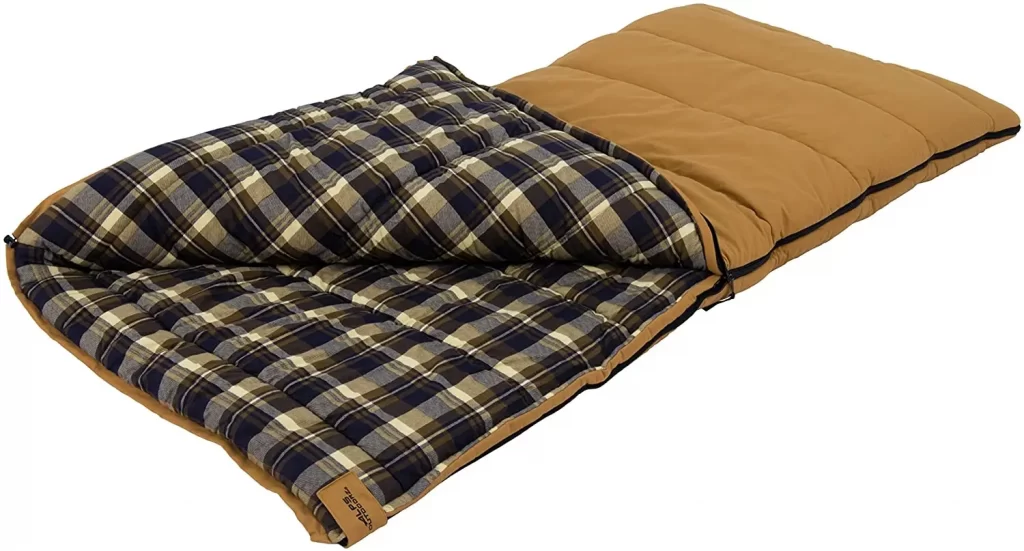
Mostly preferred in warmer conditions, rectangular sleeping bags is another type offering more inner space for feet and upper body. Thus, more comfort than the mummy. If we don’t consider that more width causes additional weight and take into account that the sleeping bags don’t produce heat. They just keep the temperature of your body stable, creating a boundary between the body and the environment trapping air inside. So, more space actually means more trapped air to be warmed by your body. In winter, is it good to have a rectangular sleeping bag then?
Semi-rectangular
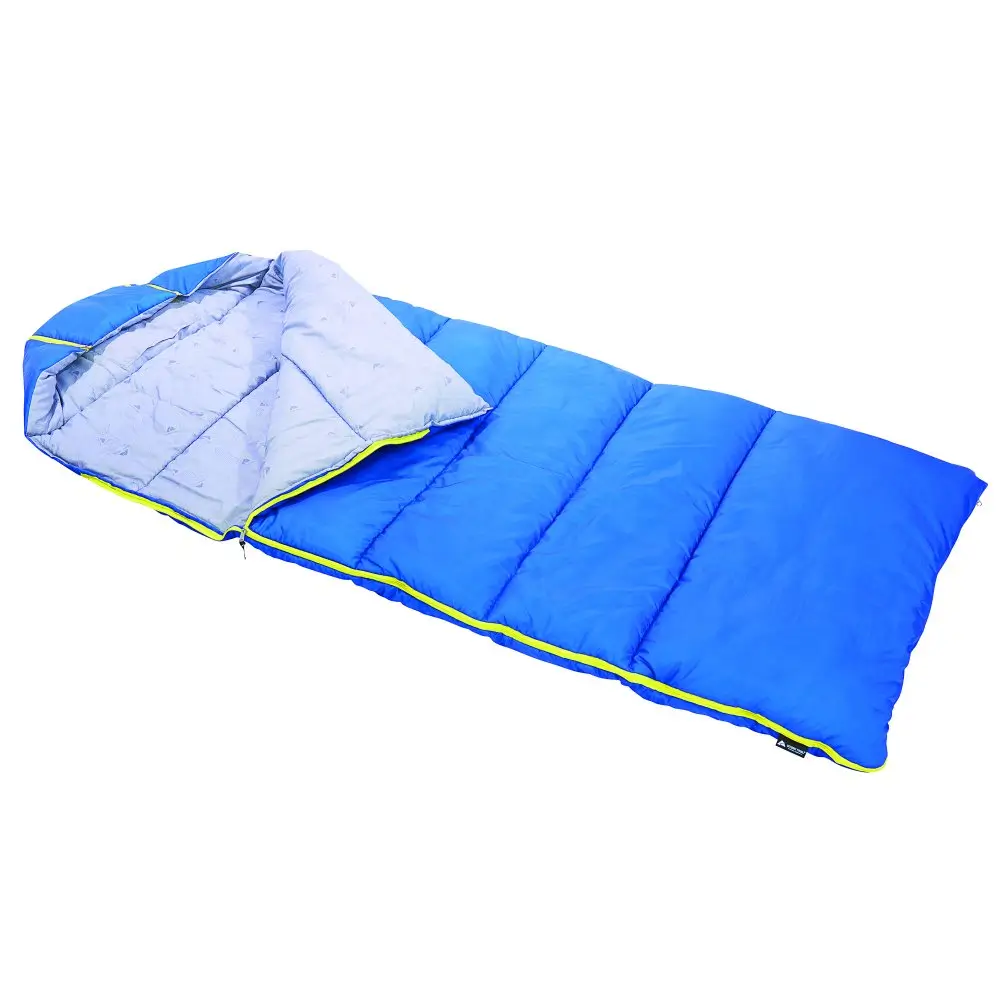
Rectangular ones don’t have hoods and straps to cinch. Yet, semi-rectangular ones have. They are like combination of rectangular and mummy type sleeping bags. Spacious and covering. No creeping cold through the collar.
Double-wide
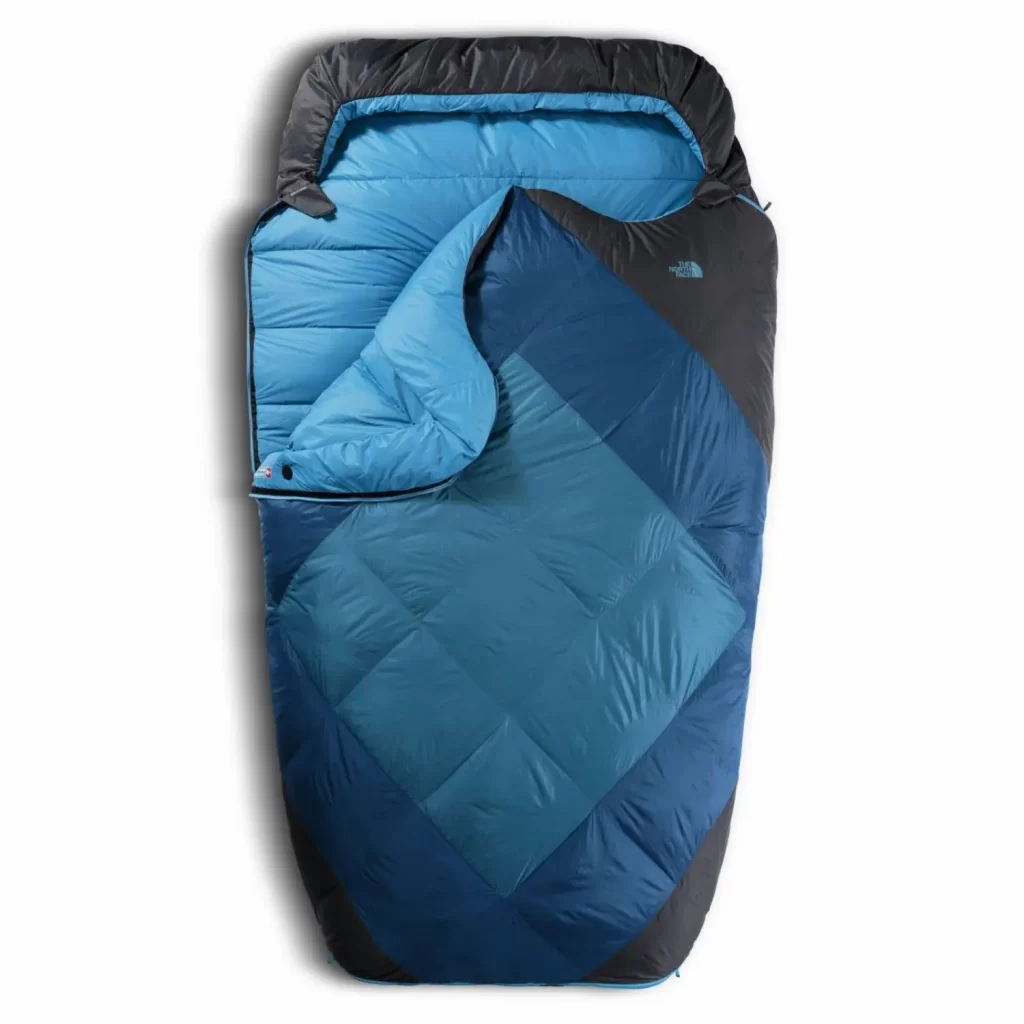
For couples, families and close friends who can take advantage of each other’s warmth. In fact, generally, other types can be mated together to make a double-wide sleeping bag. As long as they have opposite zipper locations though.
Criteria
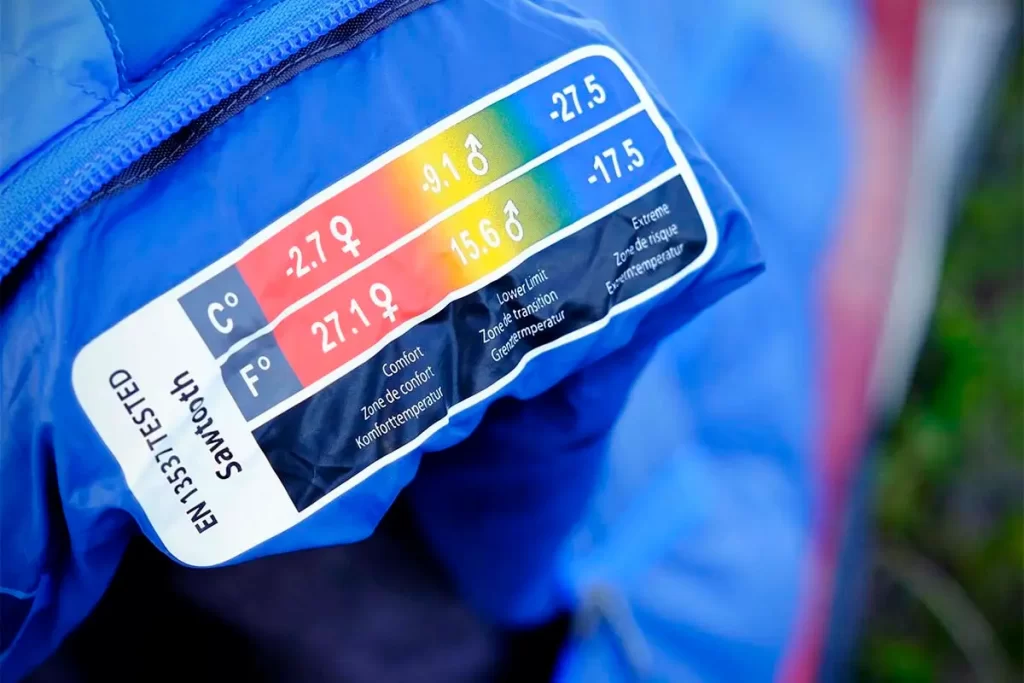
You decided which one would be yours? Wait a little more. There is also one last important criterion a sleeping bag must meet. ISO 23537-1:2016 and EN 13537 Standards. They are both a three-part temperature rating system indicating up to what temperature your product could provide safe usage.
- Comfort : The lower limit of comfort range you don’t feel chill and sleep well. Set for women and men who have low blood counts.
- Lower limit : Transition range. People who could endure cold compared to the ones who couldn’t are likely to sleep within this range, without shivering.
- Extreme limit : It is the survival temperature. You don’t get a cold-related disease, but you cannot shut your eyes either. It shouldn’t be forgotten that there is a risk of health damage by cold, too.
Shop current sleeping bags on Amazon US
Use these broad searches to compare current availability, sizes and temperature ratings. Verify the manufacturer’s current specification before buying.
Old Ranger Days is research-based: we work from verified specifications and official sources, and never claim hands-on testing unless it happened. Some links may be affiliate links. Editorial policy · Affiliate disclosure
