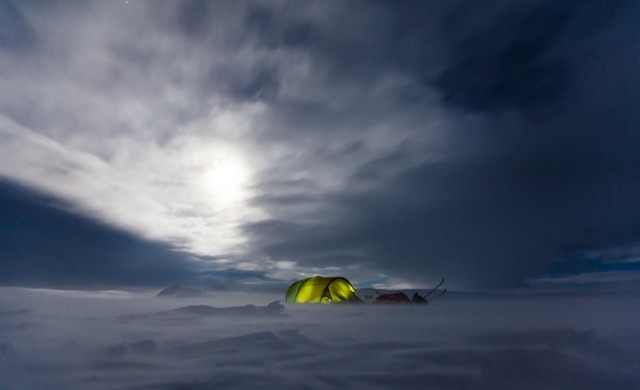
 Trail Safety
 Old Ranger Days
Hiking Safety Guide: Plan, Prepare and Explore Responsibly
Last reviewed: August 2026.
Good hiking safety begins before the trailhead. A beautiful route can become difficult when weather changes, daylight disappears, water runs low or a phone loses signal. This guide brings Old Ranger Days’ core hiking resources into one practical planning system so beginners and experienced walkers can make calmer decisions outdoors.
1. Match the route to the group
Start with distance, elevation gain, terrain, exposure and expected time—not a social-media photo. Check official land-manager information, recent closures, permit requirements, water availability and the skills needed for the route. Build the plan around the least experienced person and include enough daylight for delays.
If you are new to day walking, begin with our beginner’s hiking guide. It covers pacing, preparation, equipment and trail etiquette without assuming previous experience.
2. Carry navigation redundancy
A phone is useful, but it should not be the only way to navigate. Download the route for offline use, carry a power bank and understand how to read a map. For remote or unfamiliar terrain, add a compass and know how to use it. Natural signs can support situational awareness, but they are not precise enough to replace proper navigation tools.
Learn the practical hierarchy in Finding Direction in Nature, which explains how maps, compasses, GPS and natural clues work together.
3. Plan for weather, water and exposure
Check the detailed forecast for the exact area and elevation. Pack protection for sun, rain, wind and a temperature drop even when the day begins comfortably. Turn around when conditions exceed the group’s equipment or experience; reaching a viewpoint is optional, returning safely is not.
Carry enough water for the planned route plus a sensible reserve. Remote hikers should know the limits of filters and chemical treatments before relying on natural sources. Our guide to finding and treating wilderness water compares boiling, filtration, disinfection and combined methods.
4. Prepare for the unexpected
Tell a reliable person your route, trailhead, group details and the time they should raise the alarm. Carry first-aid supplies you know how to use, essential medication, emergency shelter, insulation, a light and a reliable way to signal. In areas without mobile coverage, consider a satellite communicator or personal locator beacon appropriate to the region.
Use the complete 15-item hiking safety checklist before following a viral or unfamiliar trail. It includes communication, rescue planning, footwear, food, water and emergency equipment.
5. Recognize when to stop
Small problems become serious when a group keeps moving without reassessing. Stop early if someone is unusually cold, overheated, confused, dehydrated, injured or unable to maintain the planned pace. Protect the person from further exposure, use first aid within your training and contact emergency services when required.
Cold conditions deserve particular care. Read the hypothermia guide before winter, alpine or wet-weather trips. Thunderstorms also require conservative decisions; review outdoor lightning risks before travelling through exposed terrain.
6. Choose responsible trail behaviour
Stay on durable surfaces where required, respect closures, keep wildlife wild, carry waste out and reduce noise. A safer trail culture also means helping the group communicate honestly: no summit, photograph or personal record is worth hiding fatigue or dangerous conditions.
Hiking safety reading path
- Start here: 15-item hiking safety checklist
- Hiking for beginners
- Navigation with map, compass, GPS and natural clues
- Trail running beyond paved surfaces
- Introduction to alpinism
Continue exploring
Build broader resilience with the Emergency Preparedness Guide, develop field skills in the Bushcraft Skills Guide, or choose equipment through the Outdoor Gear Guide.
All trail safety guides
Trail Safety Trail Safety
Cold Weather Hiking Gear: What to Pack and Stay Safe
 Trail Safety
How to Keep a Backpacking Water Filter From Freezing
 Trail Safety
Bear Canister Requirements in US National Parks
 Trail Safety
How to Keep Your Phone Battery Alive in Cold Weather
 Trail Safety
Fall Hiking Tick Prevention: Repellent, Clothing and Removal
Trail SafetyHiking Before Dark: How to Set a Safe Turnaround Time
 Trail Safety
National Public Lands Day 2026: Free Entry, Events and Planning
 Trail Safety
Trail Running in Hot Weather: Hydration, Pace and Turnaround Rules
 Trail Safety
How to Stop Tent Condensation: 12 Practical Fixes
Trail SafetyHiking During Hunting Season: Blaze Orange, Dogs and Trail Rules
Trail SafetyHiking With Dogs in Bear Country: Leash, Bear Spray and Encounter Rules
Trail SafetyBoundary Waters Wildfire Closures 2026: Reopened Entry Points, Permits and Trip Safety
Trail SafetySouthwest Monsoon Hiking Safety: Flash-Flood, Lightning and Turnaround Rules
Trail SafetyFall Camping Sleep System: Sleeping Bag Ratings, Pad R-Values and 4 Amazon Options
Trail SafetyFall Camping Checklist for U.S. National Parks: 21 Essentials and 4 Amazon Picks
Trail SafetyWildfire Smoke and Hiking: How to Use AQI Before You Go
 Trail Safety
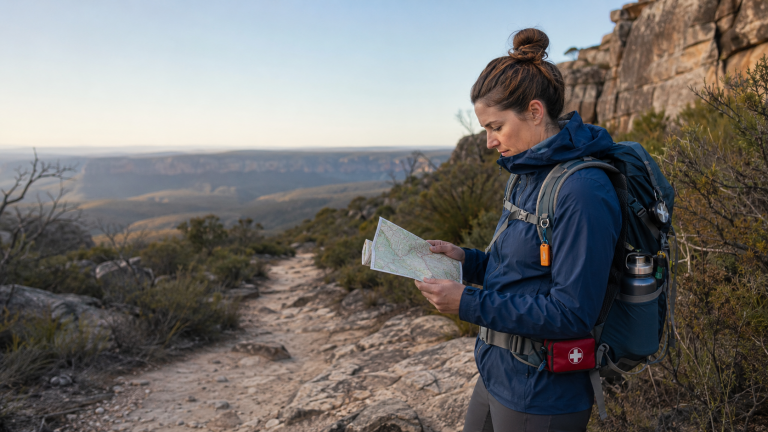
Hiking Safety Checklist: 15 Essentials Before You Follow a Viral Trail
 Trail Safety
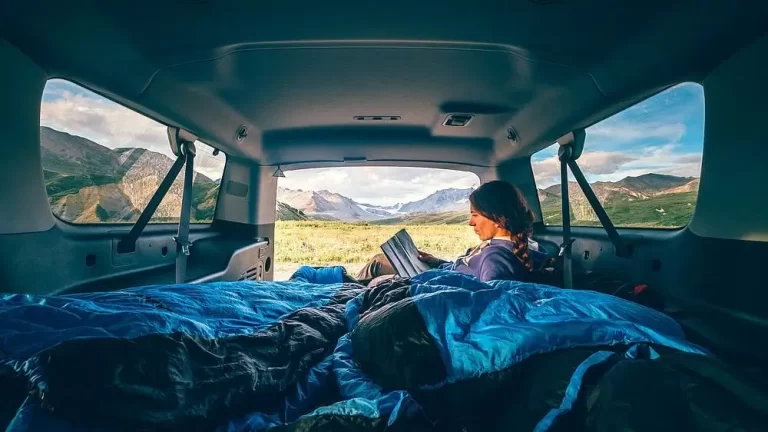
Car Camping for Beginners
 Trail Safety
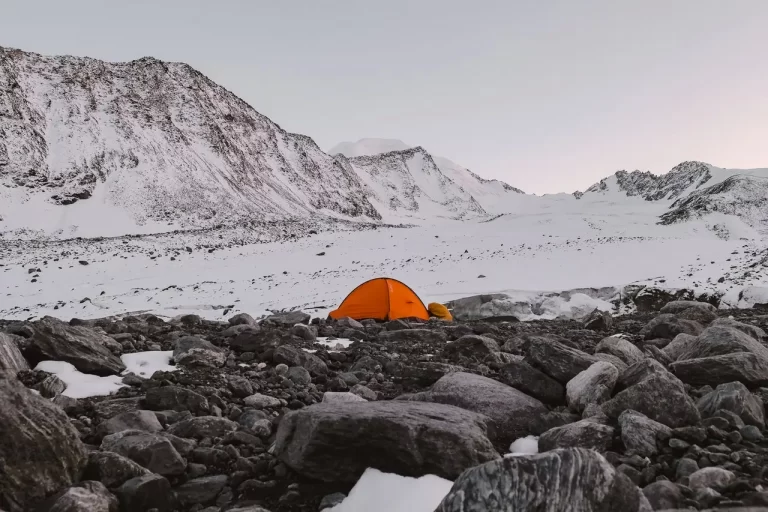
Breaking the Rules, Wild Camping
 Trail Safety