 Old Ranger Days
Trail Safety
How to Keep a Backpacking Water Filter From Freezing
Keep a used hollow fiber filter above 32 °F: in a chest pocket by day, bagged in your sleeping bag at night. If it may have frozen, test or replace it.
In this guide
- The short version
- What happens when a hollow fiber filter freezes and thaws?
- How do you keep a water filter from freezing on the trail?
- Where should the filter go overnight?
- Is your filter safe after a cold night?
- How do you make water safe to drink if your filter froze?
- When to turn around or call for help
- Gear for cold-weather water treatment
- Frequently asked questions
- Sources
Keep a used hollow fiber filter above 32 °F (0 °C) at all times. By day it rides in a chest pocket. At night it goes into a zip bag inside your sleeping bag.
If it may have frozen, do not drink from it. Run the maker's integrity check, or replace a Sawyer filter, as Sawyer advises.
This applies to squeeze filters like the Sawyer Squeeze and Platypus QuickDraw. Cascade Designs, which makes Platypus, says water expands when it freezes and can burst the hollow fibers.
We did not test these filters on the trail. This guide comes from the CDC, the National Park Service, manufacturer instructions and independent testers.
The short version
- Treat any used hollow fiber filter as wet. It never fully dries.
- In freezing or near-freezing weather, carry it in a chest pocket, close to your body.
- Filter all the water you need for the night, then put the filter away.
- Sleep with the filter in a sealed zip bag inside your sleeping bag.
- If it may have frozen, stop using it until you test or replace it.
- Carry a backup: chlorine dioxide drops or a stove to boil water.
- Save a photo of your filter's integrity test instructions on your phone.
- If it never gets above freezing, switch to boiling or chemical treatment.
What happens when a hollow fiber filter freezes and thaws?
A hollow fiber filter is a bundle of tiny hollow tubes. Cascade Designs says a recently used QuickDraw has wet fibers, and freezing can break them. "Broken fibers no longer filter water," the company states.
The catch is that you may not be able to tell a filter is damaged. The Trek, reviewing the QuickDraw, says there is usually no way of knowing if the filter has been compromised. Treeline Review agrees: without a test after an incident, you may not be able to tell it is broken.
Drying it out is not a fix either. TrailGroove explains that water inside the tubes can never be completely dried, which is why a used filter stays at risk.
Ceramic filters are different. Cascade Designs says its MiniWorks EX ceramic filter can generally tolerate freezing if stored properly. A housing left full of water can still crack, though.
How do you keep a water filter from freezing on the trail?
Body heat does the work. Sawyer says to store the filter in your pocket or close to your person in freezing temperatures. Cascade Designs gives the same advice for the QuickDraw: a chest pocket when you expect freezing or near-freezing weather.
Do not wait for the forecast to say 32 °F. The National Park Service says Glacier's higher elevations run 10 to 15 °F cooler, and snow can reach lower elevations as early as mid-September. Overnight lows there can drop to freezing, and snow might occur at any time of year.
TrailGroove's routine is simple. Filter all the water you will need for the night, disconnect the filter, and put the element in a Ziploc.
Cap both ends before it goes in a pocket. The Trek says the QuickDraw's caps on both ends let you carry it in a jacket or sleep with it without leaks.
Where should the filter go overnight?
Inside your sleeping bag. Sawyer says to keep it next to your body. For its GravityWorks and Meta Bottle cartridges, Cascade Designs adds a watertight bag to prevent leaks. Treeline Review suggests double bagging.
TrailGroove keeps the bagged element in the foot of the sleeping bag. If it is still below freezing in the morning, carry it in a pocket until the air warms.
The tent alone may not be enough. Cascade Designs suggests the tent at night, and the sleeping bag when temperatures go well below freezing.
Is your filter safe after a cold night?
Follow the rule for your exact model.
- Sawyer: replace it if you suspect it froze. Sawyer says there is no definitive way to tell if a filter has been damaged by freezing after initial wetting. It also says integrity test videos for its filters are incorrect.
- Platypus QuickDraw: run the integrity check before the next use. Cascade Designs recommends carrying a replacement filter in case it fails.
- Other brands: check the manual. Cascade Designs says integrity tests are unique to each filter.
The Trek describes the QuickDraw check this way. Remove the clean-side cap. Put half a liter of water in the reservoir and squeeze some through to wet the fibers. Then flip the filter up and squeeze air through. A steady stream of bubbles means the filter is compromised and should go in the trash.
Cascade Designs suggests memorizing the test or carrying a photo or printed copy of the instructions on every trip.
How do you make water safe to drink if your filter froze?
Switch to your backup. The CDC says boiling is the best way to kill germs in water. Bring clear water to a rolling boil for 1 minute, or 3 minutes above 6,500 feet. The National Park Service gives the same times.
The CDC says chlorine dioxide tablets can kill Giardia and are somewhat effective against Cryptosporidium. Its Yellow Book says chlorine dioxide tablets and drops can need a contact time of several hours.
REI says many chemicals lose effectiveness in the cold. It says the wait runs from 30 minutes to 4 hours, longer for icy cold water. Read the label and wait the full time.
Never drink from a clear stream untreated. The National Park Service says never to drink water from a natural source you have not purified, even if it looks clean.
When to turn around or call for help
- Your filter froze and you have no backup. Do not drink untreated water. Treeline Review says to do what you can until you reach help and clean water.
- Daytime temperatures stay below freezing. REI says the sleeping bag trick won't help then. TrailGroove says to switch methods.
For winter trip planning, start at the hiking safety guide. Our essentials of winter camping cover the rest of your cold-night kit. Keeping your phone battery alive in the cold uses the same body-heat trick. Still choosing a filter? Read hiking water filter vs purifier.
Gear for cold-weather water treatment
A filter you can test, and a backup that works when the filter cannot.
Links go to Amazon. They are affiliate links: we may earn a commission at no extra cost to you.
Platypus QuickDraw
This is for backpackers who filter in the shoulder season and want a way to check the filter after a cold night.
Treeline Review named it the best overall backpacking water filter. It praised the integrity test, which "tells whether it is still functioning after a freezing night." It also liked the end caps on both sides, so you can sleep with it without leaks.
Cascade Designs says it threads onto common plastic water bottles like smartwater. Freezing can still break its fibers, so the test does not replace keeping it warm.
The drawback: Treeline found squeezing can be tedious, and the cartridge does not protect against viruses.
Aquamira Water Treatment
This is the backup for when your filter freezes, or for days that never warm above 32 °F.
Aquamira lists a chlorine dioxide formula that treats up to 30 gallons, with a four-year shelf life from manufacture. It carries EPA Reg. No. 71766-1. Treeline Review named it the best chemical water treatment and carries it as a backup.
The drawback is time. Treeline says the drops need five minutes to activate, then 15 to 30 minutes more, depending on how murky or cold the water is.
Frequently asked questions
Does a water filter still work after it freezes and thaws?
Not reliably. Cascade Designs says frozen water can break hollow fibers, and broken fibers no longer filter. The Trek notes there is usually no way of knowing if the filter has been compromised. Run the integrity check if your model has one. Sawyer advises replacing its filters if you suspect a freeze.
At what temperature does a backpacking water filter freeze?
Treat 32 °F (0 °C) as the line. Sawyer says its 0.1 micron filters can withstand 32 to 140 °F. Glacier National Park notes higher elevations run 10 to 15 °F cooler and overnight lows can drop to freezing. Protect the filter before the forecast says freezing.
Where should I keep my water filter when I am staying overnight in the cold?
Inside your sleeping bag, sealed in a zip bag. Sawyer says to keep it next to your body when sleeping. Cascade Designs says to bag its GravityWorks and Meta Bottle cartridges watertight first. Treeline Review suggests double bagging so drips do not wet your bag.
Can an unused water filter freeze?
The risk comes from water left inside. Sawyer's freeze warning applies once a filter has had its initial wetting, and Cascade Designs says a recently used QuickDraw has wet hollow fibers. TrailGroove adds that a used hollow fiber filter can never be completely dried, so treat any used hollow fiber filter as wet.
Does the Platypus QuickDraw have a freeze test?
Yes. Cascade Designs says to run a filter integrity check before the next use if you think it froze. The Trek describes squeezing air through a wetted filter. A steady stream of bubbles means the filter is compromised and should be thrown away.
Sources
- CDC: About Water Treatment Options When Hiking, Camping, or Traveling
- CDC Yellow Book: Water Disinfection for Travelers
- National Park Service: Two Ways to Purify Water
- National Park Service: Glacier National Park Weather
- Cascade Designs: Is My Water Filter Safe to Use if It Freezes?
- Cascade Designs: FAQ, Platypus
- Sawyer: Water Filtration FAQs
- Aquamira: Water Treatment (1oz)
- Treeline Review: Best Backpacking Water Filters of 2026
- The Trek: Platypus Quickdraw Water Filter Review
- REI Expert Advice: Choosing a Backpacking Water Filter
- TrailGroove: Hollow Fiber Backpacking Water Filter Care and Maintenance
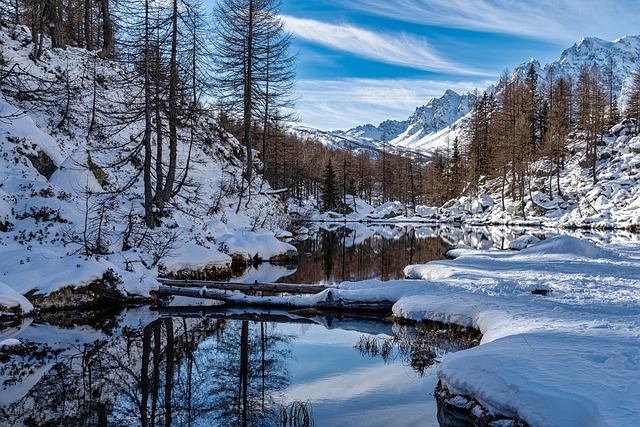
Cover photo: alessandra1barbieri on Pixabay.
Old Ranger Days is research-based: we work from verified specifications and official sources, and never claim hands-on testing unless it happened. Some links may be affiliate links. Editorial policy · Affiliate disclosure