 Old Ranger Days
Trail Safety
Cold Weather Hiking Gear: What to Pack and Stay Safe
What to wear and pack for cold weather hiking: layers, dry spares, warm feet and hands, food, light, and when to turn back, from NPS, CDC, NWS and AMC.
In this guide
For cold weather hiking, pack layers you can add and remove, a dry spare set, warm feet and hands, extra food and a headlamp. Keep cotton at home.
Wind changes the numbers. The National Weather Service says 0 °F with a 15 mph wind feels like -19 °F, and exposed skin can freeze in 30 minutes.
We did not test gear for this guide. It comes from the National Park Service, CDC, National Weather Service, REI (reviewed by NOLS Wilderness Medicine EMTs) and the Appalachian Mountain Club. If you are choosing what to buy first, see our cold-weather hiking gear budget guide.
The short version
- Check the forecast on the day you go, including wind speed and reduced daylight hours, says the NPS. Have a Plan B.
- Tell someone your route and return time, says the NPS.
- Wear wool or synthetic layers you can add and remove. No cotton.
- Carry a dry set of clothes in a sealed bag, plus spare gloves and socks.
- Cover nose, cheeks, ears, fingers and toes, says REI. The NWS says mittens beat gloves.
- Eat and drink regularly. The AMC says a winter day hike can burn 2,000 to 3,000 more calories than normal.
- Carry a headlamp with spare batteries, a map and compass, and an emergency blanket or bivy.
- Learn the signs of hypothermia and frostbite before you need them.
What clothes do you need for cold weather hiking?
Think of three jobs. REI describes a base layer that wicks sweat, a mid layer that insulates and a shell that blocks wind and moisture. The goal is to stay dry. REI says getting wet on a cold day can lead to hypothermia.
The NPS says to choose wool or synthetic over cotton, because cotton absorbs moisture and will not keep you warm wet. It lists a hooded insulating outer layer, a hat, gloves or mittens, wool socks and waterproof boots.
The AMC adds a shell big enough to fit over your other layers, and shell pants with a full side zip. Our guides cover the choices: merino vs synthetic base layers, fleece vs puffy jacket and softshell vs hardshell pants.
What about hands, feet, face and eyes?
REI suggests fleece gloves under waterproof shell mittens, with a spare pair in your pack. See gloves vs mittens.
For feet, REI says to wear well-fitting wool or synthetic socks, and not to let thick socks make your boots too tight. Tight cuffs, gaiters and boots can cut circulation and raise frostbite risk. The AMC calls warm, dry feet vital. Compare 200g vs 400g insulated boots and read the gaiter guide.
For your face, REI suggests a neck gaiter or face mask for nose and cheeks, and a hat that covers your ears. See balaclava vs neck gaiter.
Snow reflects sun. The NPS says to carry sunglasses against snow blindness, and REI says to wear sunscreen because snow reflects the sun. See glacier glasses vs sunglasses.
What else goes in your pack?
Start with the NPS Ten Essentials: navigation, sun protection, extra clothing, light, first aid, fire, repair kit, extra food, water and emergency shelter. Then add winter items from the AMC and REI.
- Light. The NPS recommends a headlamp. REI says winter has fewer daylight hours, so carry one with fresh batteries.
- Navigation. The NPS says trails look different in the winter and a phone may lose reception. Carry a map and compass.
- Shelter and warmth. The AMC lists an emergency blanket or bivy, hand warmers and a foam pad to sit on or shelter on. See emergency blanket vs bivy.
- Signal. The AMC says three loud, short whistle blasts are a distress call.
- Traction. The NPS suggests considering over-the-shoe traction. See microspikes vs crampons and snowshoes vs microspikes.
- First aid. See our winter hiking first aid kit.
Keep batteries warm. REI says lithium batteries tend to hold up better than alkaline, and a pocket close to your body helps. See keeping your phone alive in the cold.
How do you keep food and water from freezing?
REI says hydration tubes can freeze. It suggests blowing water back into the reservoir after you drink. It suggests bottles in your pack, not in outside pockets, flipped upside down because they freeze from the top down. The AMC does not recommend bladders because they often freeze.
The AMC says to carry at least 68 fl oz (2 liters) of water and a hot drink in a thermos. See water bottle vs hydration bladder and, if you filter, how to keep a filter from freezing.
For food, the AMC says to bring high-calorie items that will not freeze, such as dried fruit, candy, bagels and cheese. REI says chocolate, nuts and cheese stay softer, and keeping food close to your body helps. Kenai Fjords National Park says to eat high-calorie food through the day and avoid alcohol and coffee.
How cold is too cold?
Do not rely on the thermometer alone. The NWS says bright sunshine may raise wind chill by 10 to 18 °F. It is only defined at 50 °F and below with wind over 3 mph.
Wind chill does not cause frostbite by itself. The NWS says frostbite needs an actual air temperature below freezing, but wind chill can still cause hypothermia. It was tested on adults, so be more careful with children and older people.
The NWS says to stay inside during severe cold, especially at a wind chill of -50 °F or below. The NPS says to have a Plan B and that staying indoors is okay when conditions are too hazardous. Plan your return with our turnaround time guide.
How do you spot hypothermia and frostbite?
Hypothermia does not need deep cold. The CDC says it can occur above 40 °F if you are chilled by rain, sweat or cold water. Kenai Fjords says it can result from 30 to 60 °F, especially with wind or rain.
- Early signs. Shivering, numb fingers, clumsiness, stumbling, a slowing pace, confusion. Kenai Fjords says shivering or numb fingers and toes already mean the early stages. REI lists trouble with zippers.
- What to do early. Kenai Fjords says to get out of the cold, wet and wind, change into dry clothing, and eat and drink. REI adds insulation. REI says warm, sweet drinks without caffeine or alcohol help.
- Frostbite. The CDC says redness or pain may come first, then white or grayish-yellow skin that feels firm or waxy, then numbness. A victim is often unaware because frozen tissue is numb.
REI advises not toughing it out. Stop, warm cold fingers or toes, and watch your partners for pale spots or clumsiness. Our hypothermia guide goes deeper.
When to turn around or call for help
Turn around early. The AMC says winter hiking takes more time and demands more preparation, planning and experience. REI says getting wet on a cold day can lead to hypothermia.
Act at once on these signs:
- Confusion, slurred speech, fumbling hands or drowsiness. The CDC lists these as hypothermia warning signs. If body temperature is below 95 °F, the CDC says to get medical attention immediately.
- Shivering that stops, or a person who cannot stand or walk. Kenai Fjords and REI list stopped shivering as a severe sign, and Kenai Fjords adds being unable to stand or walk. REI says moderate and severe cases need evacuation as soon as possible. Report them to rangers or other authorities, and handle the person gently.
- Skin that is blue or gray, very swollen, blistered, or hard and numb. The NWS says go to a hospital as soon as possible. REI says blisters after thawing mean see a doctor.
- An unconscious person with no pulse. The CDC says to get emergency help, handle the person gently and perform CPR.
While you wait, the CDC says to move the person into shelter and remove wet clothing. Warm the center of the body under dry layers. Give warm drinks, never alcohol, and nothing to an unconscious person. For frostbite, do not rub, and do not use a fire, stove or heating pad. The NWS says to warm frostbitten hands in your armpits.
If you must shelter in place, the AMC lists a foam pad to sit on or shelter on. If you camp, read tent heater safety.
For avalanche terrain, the NPS says to check local avalanche centers. The AMC says an ice axe or avalanche beacon needs training.
For more planning, start at the hiking safety guide or the outdoor gear guide.
Frequently asked questions
What should I pack for a cold weather hike?
Pack the Ten Essentials plus winter extras: spare gloves and socks, a dry set of clothes in a sealed bag, a headlamp, extra food and a hot drink. The National Park Service says to pack an extra layer that reflects the most extreme conditions you could meet.
What clothes should I wear for hiking in the cold?
Wear layers you can add and remove, made of wool or synthetic fabric, not cotton. REI describes a wicking base layer, an insulating mid layer and a shell against wind and moisture. Add a hat, gloves or mittens, and waterproof boots with wool socks, as the National Park Service advises.
Can you get hypothermia above freezing?
Yes. The CDC says hypothermia can happen above 40 °F if you are chilled by rain, sweat or cold water. The National Weather Service says it can occur as warm as 60 °F. That is especially true in water, or when you are outside a long time and not dressed for the weather.
How cold is too cold to hike?
There is no single number. The National Weather Service says to stay inside during severe cold, especially when the wind chill is -50 °F or below. Short of that, wind chill matters. At 0 °F with a 15 mph wind it feels like -19 °F, and exposed skin can freeze in 30 minutes.
How do I keep my water from freezing on a winter hike?
Use insulated bottles carried inside your pack. REI says bottles freeze from the top down, so store them upside down. The Appalachian Mountain Club suggests an insulated holder or an old wool sock, and does not recommend bladders because they often freeze. Carry a hot drink in a thermos.
Sources
- National Park Service: Be Winter Ready For Your Adventure
- National Park Service: Ten Essentials
- National Park Service, Kenai Fjords: Hypothermia
- CDC: Preventing Hypothermia
- National Weather Service: During Extremely Cold Weather
- National Weather Service: Understanding Wind Chill
- REI: Cold-Weather Hiking Tips
- Appalachian Mountain Club: Winter Hiking Essential Gear List
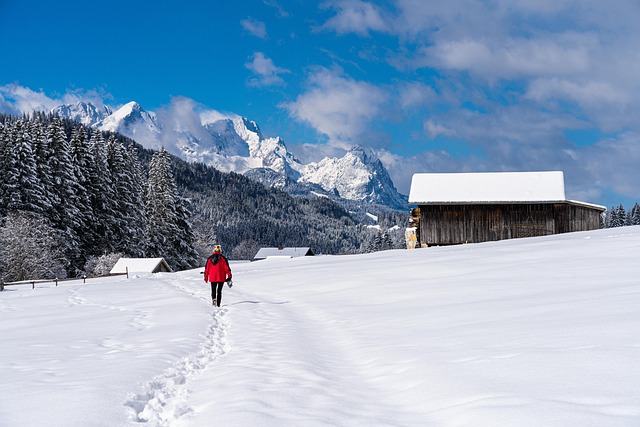
Cover photo: alandsmann on Pixabay.
Old Ranger Days is research-based: we work from verified specifications and official sources, and never claim hands-on testing unless it happened. Some links may be affiliate links. Editorial policy · Affiliate disclosure