 Old Ranger Days
Clothing & Footwear
Hiking Gaiters Guide: Low vs. Mid vs. Tall for Mud, Rain and Snow
In this guide
Quick answer: Choose low gaiters for dust, pebbles and dry trail debris; mid-height gaiters for mud, wet brush and light snow; and tall waterproof gaiters for deep snow, sustained rain, mountaineering boots or crampon-heavy travel. Most fall day hikers are best served by a breathable low or mid model. A taller gaiter adds coverage, but it also traps more heat and bulk.
This hiking gaiters guide is for U.S. hikers, trail runners and backpackers preparing for changing September and fall conditions. It focuses on choosing the right coverage rather than declaring one model “best” for every trail.
Why gaiters make sense as summer turns to fall
Rocky Mountain National Park’s trail report, updated Aug. 21, 2026, says summer is quickly transitioning toward fall, with warm days, cool evenings and possible afternoon rainstorms. That is a classic shoulder-season problem: the trailhead may be dry while higher terrain is wet, muddy or holding early snow.
The National Park Service includes gaiters among appropriate footwear for keeping snow and mud out of boots during winter travel. Denali’s backcountry guidance adds an important nuance: even gaiters that are not waterproof can still help keep grit, rocks and debris out of footwear during stream crossings and travel through loose terrain.
Gaiters are not traction devices, insulated boots or a substitute for turning around. If the route includes ice, read our microspikes vs. crampons guide. For a broader packing system, start with the U.S. day-hiking gear list.
Low vs. mid vs. tall gaiters
Low gaiters: dust, gravel and trail-running debris
Low gaiters usually end just above the ankle. Their main job is sealing the collar of a trail-running shoe or low hiking shoe so sand, small rocks, seeds and dry trail debris do not work inside. They are the least restrictive choice for the Southwest, maintained summer trails and high-output hiking.
Choose low: dry trails, trail running, desert sand, loose gravel or thru-hiking in breathable shoes. Skip low: deep mud, brush that reaches above the ankle, sustained rain or snow that is deep enough to spill over the cuff.
Mid-height gaiters: the three-season middle ground
Mid gaiters generally cover the ankle and lower calf. They are the most versatile option for wet Appalachian leaves, Pacific Northwest brush, shallow snow and muddy shoulder-season trails. A breathable stretch-woven model is comfortable during active hiking, while a waterproof mid model trades some ventilation for greater weather protection.
Choose mid: mixed rain and mud, wet brush, light snow, backpacking and routes where the conditions may change with elevation. Skip mid: hot dry trails where an ankle gaiter is enough, or deep unconsolidated snow where the top opening may sit below the snow surface.
Tall gaiters: deep snow and rugged alpine use
Tall gaiters reach toward the knee and are designed to cover more of the lower leg. Waterproof versions are appropriate for deep snow, mountaineering, snowshoeing, extended wet brush and footwear that needs a larger protective barrier. Reinforced inner panels can also reduce damage from incidental contact with crampon points, although careful foot placement remains essential.
Choose tall: deep snow, winter boots, mountaineering, prolonged wet weather or rough off-trail travel. Skip tall: warm day hikes and fast trail running, where extra material can hold heat and moisture.
The five criteria that matter before buying
1. Match the height to the hazard
Coverage should be high enough to block the material you expect to encounter. Pebbles entering a shoe require much less coverage than knee-deep snow. Buying the tallest option “just in case” can leave you with a gaiter that feels unnecessarily hot and stiff for most trips.
2. Separate waterproof from water-resistant
A durable water-repellent finish can deflect light moisture, but it is not the same as a waterproof laminate and sealed construction. Water-resistant gaiters are often more breathable for active three-season use. Waterproof gaiters are the better choice when snow, sustained rain or repeated contact with wet vegetation is the main problem.
Even waterproof gaiters cannot keep feet dry if water enters through the shoe, runs down from above the cuff or crosses over the top during a deep ford. Pair them with appropriate footwear and rain pants when conditions demand it. Our rain jacket vs. poncho guide explains the same coverage-versus-ventilation tradeoff for the upper body.
3. Check footwear compatibility before color or weight
Look for three contact points: the lace hook at the front, the underfoot strap or heel attachment, and the cuff around the shoe. A strapless gaiter designed around a brand-specific heel attachment may fit poorly on a shoe without that feature. An underfoot strap needs a protected channel between outsole lugs rather than rubbing directly against flat pavement.
4. Size the gaiter over the exact shoe or boot
Manufacturers may size gaiters by shoe size, calf circumference, boot volume or a combination. A bulky insulated boot can require a different gaiter size than a low trail runner worn by the same person. Test the closure over the pants and footwear you will actually use, then flex the ankle, walk uphill and step onto a bench to check for pulling or gaps.
5. Consider heat, cleaning and trail impact
Taller and more waterproof gaiters reduce airflow. If sweat soaks your socks from inside, the added coverage is working against the goal. After muddy or seed-heavy routes, brush and rinse the gaiters according to the manufacturer’s care instructions before visiting another trail system. Clean footwear and gear help reduce the movement of seeds and soil between public lands.
Four Amazon US gaiter options by use case
Disclosure: As an Amazon Associate, Old Ranger Days earns from qualifying purchases.
The models below are examples of distinct gaiter categories. They have not been personally tested by Old Ranger Days, and no ranking, price, sales-volume or performance claim is implied. Verify the size, exact model and availability before ordering.
Altra Trail Gaiter — low coverage for dry debris
Best use: Trail running and hiking in low-cut shoes where rocks, sand and dry debris are the main concern. Ideal buyer: An Altra user with a GaiterTrap-equipped trail shoe who wants a light, strapless barrier. Key limitation: It is optimized for compatible Altra footwear and is not a tall waterproof solution for sustained rain or deep snow. Altra describes it as a breathable, strapless gaiter intended for trail running and hiking. Manufacturer details. View the Altra Trail Gaiter on Amazon.com.
Kahtoola INSTAgaiter Mid — breathable three-season coverage
Best use: Fast hiking and backpacking through dust, gravel, scree and light moisture. Ideal buyer: A three-season hiker who wants more coverage than an ankle gaiter without moving to a heavy waterproof alpine model. Key limitation: Its PFAS-free DWR treatment deflects light moisture, but Kahtoola describes the model as water-resistant rather than waterproof. The current manufacturer specification lists a 7.5-inch (19 cm) mid height and a pair weight of 2.1–2.7 ounces (61–76 g), depending on size. Manufacturer details. View the Kahtoola INSTAgaiter Mid on Amazon.com.
Black Diamond Distance Gaiter — early snow and trail shoes
Best use: Winter trail running, early-season alpine approaches and mixed snow, mud and debris in trail-running footwear. Ideal buyer: A runner or fast hiker who wants a packable mid-height soft-shell design. Key limitation: The Heel Hook attachment and optional underfoot cord must work with the chosen shoe; this is not the same protective category as a knee-high mountaineering gaiter. Black Diamond documents a weatherproof hook-and-loop closure, security snaps and its Heel Hook retention system. Manufacturer details. View the Black Diamond Distance Gaiter on Amazon.com.
Outdoor Research Crocodile Classic — tall alpine protection
Best use: Deep snow, mountaineering boots, snowshoeing and rugged cold-weather travel. Ideal buyer: A winter hiker or climber who actually needs tall waterproof coverage and abrasion-resistant lower panels. Key limitation: It is more protective, warmer and bulkier than most fall day hikers require; careful sizing over the intended boots matters. Outdoor Research specifies GORE-TEX upper construction and Cordura reinforcement for waterproof, abrasion-resistant leg protection. Manufacturer details. View the Outdoor Research Crocodile Classic on Amazon.com.
How to put gaiters on correctly
Start with the manufacturer’s instructions because closure direction varies. In general, position the gaiter so the lace hook points forward, secure the underfoot strap or heel attachment, close the body of the gaiter and adjust the top snugly without restricting circulation. The lower edge should seal around the footwear without riding above the shoe collar.
Walk for several minutes before leaving the trailhead. Check that the strap sits between outsole lugs, the front hook remains attached, the zipper or hook-and-loop closure stays flat and the cuff does not pinch when the ankle flexes. Carry any model-specific replacement tab or cord needed for an attachment that cannot be improvised easily.
Regional use cases
Pacific Northwest and Appalachian fall trails
For wet brush, muddy tread and repeated light rain, a mid-height gaiter usually offers the best balance. Choose waterproof construction only when the expected exposure justifies the loss of ventilation. Gaiters will not compensate for an outsole with poor wet-rock traction.
Southwest desert and volcanic trails
Fine sand, cinders and small stones can enter low shoes even in dry weather. A breathable low gaiter is usually more comfortable than a waterproof model. At Great Sand Dunes, remember that September surface temperatures can still become extremely hot even while overnight air temperatures are cool.
Rockies, Cascades and early high-elevation snow
A mid or tall gaiter can keep shallow snow from spilling into footwear, but the route may also require traction, insulation, navigation skills or a turnaround. Check the current park or forest trail report rather than treating gaiters as proof that a route is suitable. Trekking poles can assist with balance; see our trekking pole buying guide.
Frequently asked questions
Do hiking gaiters make boots waterproof?
No. Gaiters cover the boot opening and part of the upper, reducing the entry of rain, snow, mud and debris. They cannot waterproof a leaking boot or stop water that rises above the cuff.
Are low gaiters useful in rain?
They can reduce splash and keep wet debris out, but their short coverage leaves more of the lower leg exposed. For sustained rain, wet brush or deep mud, a mid waterproof gaiter is generally more appropriate.
Can I wear gaiters with trail-running shoes?
Yes, if the attachment system and size are compatible. Strapless designs may depend on a heel patch, while other models use an underfoot cord or strap. Confirm the exact requirement before buying.
Do I need tall gaiters for light snow?
Usually not. Mid-height gaiters are often adequate for shallow snow. Tall gaiters become more useful when snow is deep enough to reach above a mid cuff or when rugged alpine protection is needed.
Should gaiters go over or under rain pants?
For most wet-weather hiking, the rain-pant cuff goes over the top of the gaiter so water sheds outside instead of being funneled into it. Follow the specific garment and gaiter instructions, especially with technical alpine systems.
When should I leave gaiters at home?
Skip them when the trail is dry, debris is not entering your shoes and extra coverage would only add heat. Gaiters solve a specific interface problem between pants and footwear; they are not automatically part of every hiking kit.
Official and manufacturer sources
National Park Service winter hiking tips; Denali backcountry gear guidance; Rocky Mountain National Park trail conditions; Great Sand Dunes monthly conditions; and the manufacturer pages linked with each model above.
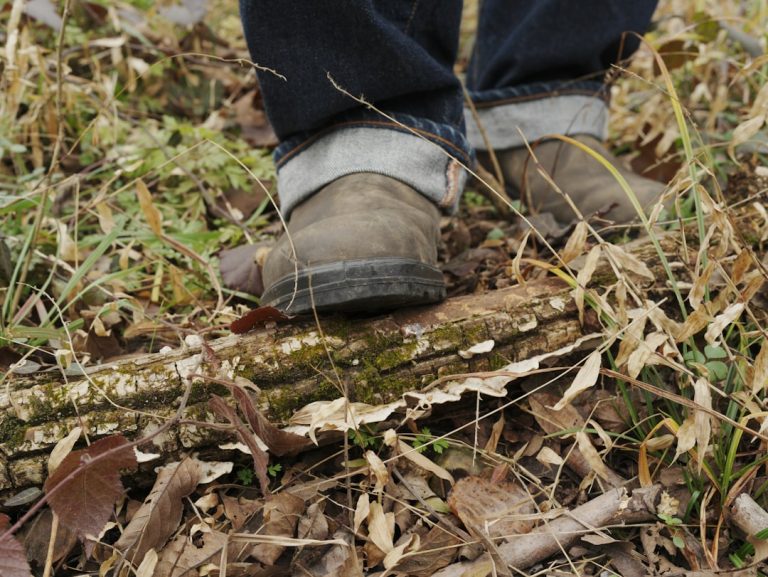
Temporary featured photograph by Yishen Ji on Unsplash. An original, non-branded editorial replacement image has been prepared for publication.
Old Ranger Days is research-based: we work from verified specifications and official sources, and never claim hands-on testing unless it happened. Some links may be affiliate links. Editorial policy · Affiliate disclosure