Old Ranger Days
Clothing & Footwear
Winter Hiking Sunscreen Guide: Snow, Altitude and SPF
In this guide
- Why Winter Hiking Sunscreen Is Different
- What to Look For on the Label
- A Winter Trail Application Plan
- Three Verified Amazon US Options
- The 2026 Sunscreen Recall and Regulatory Check
- Route-Specific Winter Scenarios
- Common Winter Sunscreen Mistakes
- Limitations and When to Ask a Clinician
- Frequently Asked Questions
- Official and Authoritative Sources
- Bottom Line
Quick answer: For winter hiking, choose a broad-spectrum, water-resistant sunscreen with SPF 30 or higher, apply it to dry exposed skin about 15 minutes before the hike, and reapply at least every two hours—or sooner after heavy sweating, wiping your face or rubbing against a neck gaiter. Snow and altitude can increase exposure even when the air feels cold.
This guide is for U.S. hikers, snowshoers and winter campers traveling on reflective snow in places such as the Rockies, Sierra Nevada, Cascades, Adirondacks and Great Lakes snowbelt. It explains a practical field system rather than ranking products or claiming personal testing.
Why Winter Hiking Sunscreen Is Different
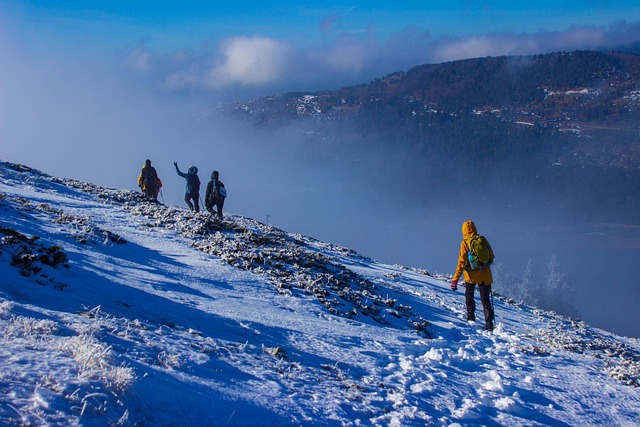
Cold air does not switch off ultraviolet radiation. Snow can reflect UV toward the underside of the nose, chin and jaw—areas that receive less reflected exposure on a summer trail. Higher elevations also reduce the amount of atmosphere between you and the sun. Cloud cover, wind and low temperatures can make the exposure feel less obvious without removing it.
The American Academy of Dermatology recommends broad-spectrum, water-resistant SPF 30 or higher for exposed skin and specifically warns that snow can reflect damaging rays. The National Park Service includes sunscreen among winter hiking essentials, while REI’s Ten Essentials guidance calls out the underside of the chin and nose on snow.
The most useful winter sunscreen is the one you can apply evenly with cold hands, carry where it will not freeze into an unusable lump, and reapply without removing more layers than necessary.
What to Look For on the Label
Broad-spectrum protection
Broad spectrum means the product is labeled to protect against both UVA and UVB. SPF primarily describes protection from sunburn-producing UVB; it is not a complete description of UVA protection.
SPF 30 or higher
SPF 30 is the minimum practical benchmark used by dermatology guidance for extended outdoor activity. A higher SPF does not last longer and does not replace reapplication. Underapplying an SPF 50 product can still leave gaps.
Water resistance
Sweat, blowing snow and repeated face wiping can reduce coverage. Check whether the label states 40 or 80 minutes of water resistance and follow that product’s directions. “Water resistant” does not mean waterproof or all-day.
A format you can actually use in winter
A lotion usually makes it easier to see and feel whether you covered a full area. Sticks are convenient around the nose and cheekbones but can be underapplied. Sprays are difficult to measure, can blow away in wind and should not be sprayed directly onto the face.
| Format | Best winter-hiking use | Main limitation |
|---|---|---|
| Lotion or cream | Reliable coverage on face, ears, neck and exposed hands | Cold product can feel thick; gloves must come off for even application |
| Mineral lotion | Sensitive-skin users who prefer zinc oxide or titanium dioxide actives | May leave a visible cast and require more rubbing |
| Face stick | Targeted touch-ups around cheekbones and nose | Easy to underapply or miss gaps |
| SPF lip balm | Lips exposed to sun, wind and reflected snow light | Needs frequent reapplication after eating, drinking or wiping |
| Spray | Large exposed areas in calm conditions | Difficult to measure coverage; poor choice in strong wind or near the face |
A Winter Trail Application Plan
Before leaving the trailhead
- Apply to dry skin about 15 minutes before sun exposure.
- Cover the full face rather than only the nose and cheekbones.
- Include ears, hairline, neck, underside of the nose, chin and exposed hands.
- Apply an SPF 30 or higher lip product.
- Pack the products in an accessible pocket, not at the bottom of the pack.
During the hike
Reapply at least every two hours outdoors and after heavy sweating or face wiping. A balaclava, buff or high collar can rub product away even though it also covers some skin. If you lower the fabric for a climb or lunch break, newly exposed skin needs protection.
Keep the container warm enough to remain usable, but do not heat it on a stove, dashboard or heater. An interior pack pocket or jacket pocket is usually more practical than an exposed hip-belt pocket in severe cold. Follow the storage range printed on the label.
At the turnaround point
Do not use sunscreen as a reason to extend a trip into deteriorating weather. Check the forecast, remaining daylight and route conditions independently. Our hiking safety checklist covers the broader decision.
Three Verified Amazon US Options
These are use-case examples, not “best” rankings. Sunscreen is an over-the-counter drug in the United States. Read the Drug Facts label, check expiration and lot information, and stop use if irritation occurs. Exact package sizes and formulas matter.
Thinksport Mineral Sunscreen SPF 50+, 3 fl oz
The current label identifies 20% zinc oxide, broad-spectrum SPF 50+ and 80 minutes of water resistance. The compact 3 fl oz tube is easier to place in a daypack than a large family bottle.
View Thinksport Mineral Sunscreen SPF 50+ on Amazon.com
Best use: exposed winter day hikes and users who prefer a zinc-oxide mineral formula. Ideal buyer: someone who wants a compact tube and expects sweat or blowing snow. Key limitation: mineral lotion can feel thick in cold weather and may leave a visible cast; apply enough rather than rubbing it until little remains.
Blue Lizard Sensitive Mineral Sunscreen SPF 50+, 5 oz
The January 12, 2026 DailyMed label lists titanium dioxide 8% and zinc oxide 10%, broad-spectrum SPF 50+ and 80-minute water resistance. The verified Amazon ASIN corresponds to the 5 oz bottle, model SADHB131.
View Blue Lizard Sensitive Mineral SPF 50+ on Amazon.com
Best use: shared family or base-camp supply and sensitive-skin users who prefer a mineral formula. Ideal buyer: car campers, groups or frequent winter users. Key limitation: the larger bottle is bulkier for ultralight hiking, and mineral actives can leave a cast. “Sensitive” does not guarantee that every user will avoid irritation.
Aquaphor Lip Protectant + Sunscreen SPF 30, 0.35 oz
Aquaphor’s current label identifies broad-spectrum SPF 30 in a 0.35 fl oz tube and includes petrolatum plus sunscreen actives. It is intended to protect chapped lips from wind, cold and sun when used as directed.
View Aquaphor Lip Protectant + SPF 30 on Amazon.com
Best use: exposed lips during winter hiking, snowshoeing and cold-weather camping. Ideal buyer: hikers who want one small tube for both dryness and labeled sun protection. Key limitation: it uses multiple organic sunscreen actives, including oxybenzone; check the label for allergies, ingredient preferences and local rules, and reapply after eating or wiping your mouth.
As an Amazon Associate, Old Ranger Days earns from qualifying purchases.
The 2026 Sunscreen Recall and Regulatory Check
Do not assume every SPF 50 product delivers its labeled protection. Allies Group voluntarily recalled all sizes and lots of THE ONE SPF 50 Invisible Sunscreen Gel after firm testing indicated that affected product might not reliably provide the stated SPF 50 protection. FDA enforcement records list the event as an ongoing Class II recall with nationwide U.S. distribution. None of the three products above is part of that recall.
Separately, on September 10, 2026, FDA issued a final administrative order removing PABA and trolamine salicylate from the ingredients permitted under the U.S. OTC sunscreen monograph. That regulatory change is not the same as a product-specific recall. Before a trip, check the product name, active ingredients, expiration date and any FDA enforcement notice rather than relying on an old gear-list screenshot.
Route-Specific Winter Scenarios
Lassen Volcanic National Park, California
Lassen’s oversnow conditions page was updated November 9, 2026 and states that snow-covered roads and trails are winter routes requiring snowshoes or skis, with no groomed or marked routes. Long exposure on open snow makes an accessible sunscreen and lip-protection plan more important than leaving both items in the vehicle.
Rocky Mountain National Park, Colorado
The park’s October 22 report describes snow and ice above 9,000 feet and recommends traction devices. On bright high-elevation snow, pair skin protection with appropriate eye protection. Our glacier glasses vs sunglasses guide covers lens category, side coverage and snow glare.
North Cascades, Washington
North Cascades reported several inches of snow above 4,000 feet on October 29. In maritime conditions, sweat, wet snow and face coverings can remove sunscreen faster than the clock alone suggests. Reapply after wiping and protect the product from precipitation inside the pack.
Windy, cold routes
Covering exposed skin can reduce both UV exposure and wind damage. But a loose neck gaiter moved up and down throughout the day creates changing exposure. Use the balaclava vs neck gaiter guide to plan coverage without forgetting newly exposed cheeks, ears or neck.
Common Winter Sunscreen Mistakes
- Applying only to the tops of the cheeks and nose.
- Skipping sunscreen because the forecast is cold or cloudy.
- Using high SPF as a substitute for reapplication.
- Forgetting lips, ears, hairline, chin and underside of the nose.
- Spraying into the wind or directly toward the face.
- Relying on an expired, separated or recalled product.
- Leaving the tube inaccessible under emergency gear.
- Assuming sunglasses protect skin or sunscreen protects eyes.
Limitations and When to Ask a Clinician
This guide cannot select a formula for a specific allergy, skin condition, pregnancy, medication or history of skin cancer. Follow the Drug Facts label. Stop use and seek medical advice if a rash or significant irritation occurs. Ask a dermatologist or other qualified clinician about individual needs. Sunscreen is only one layer of protection: use clothing, a brimmed hat when practical, shade and UV-blocking eyewear as conditions allow.
For complete cold-weather planning, use the cold-weather hiking gear and safety hub. Beginners can also compare pack priorities in the day-hiking gear list.
Frequently Asked Questions
Do I need sunscreen when the UV Index is low?
Reflective snow, altitude, trip duration and individual sensitivity can make protection relevant even when a regional forecast appears modest. Check the local UV forecast and use extra caution near snow.
Is SPF 50 twice as protective as SPF 25?
No. SPF is not a simple percentage scale, and higher SPF does not last longer. Apply enough and reapply as directed.
Does a balaclava replace sunscreen?
It can cover skin while it stays in place, but fabric may shift or be lowered during climbs and breaks. Apply protection to areas likely to become exposed.
Can sunscreen freeze?
Cold can change texture and make application difficult. Follow the manufacturer’s storage directions and keep the product accessible and protected from prolonged extreme cold. Do not heat it aggressively.
Is mineral sunscreen always better for winter hiking?
No. Mineral and organic filters can both be labeled broad spectrum and water resistant. The better field choice is a formula you tolerate and will apply in the correct amount.
Why use SPF lip balm instead of ordinary lip balm?
Plain balm can reduce dryness but does not provide labeled UV protection. Choose a broad-spectrum lip product with SPF 30 or higher when lips are exposed.
Official and Authoritative Sources
- American Academy of Dermatology: Winter Sun Protection
- American Academy of Dermatology: How to Apply Sunscreen
- National Park Service: Winter Hiking Tips
- Lassen Volcanic National Park: Oversnow Route Conditions
- FDA: 2026 OTC Sunscreen Regulatory Actions
- Allies Group: THE ONE SPF 50 Voluntary Recall
- DailyMed: Blue Lizard Sensitive SPF 50 Label
- DailyMed: Aquaphor Lip Protectant + Sunscreen Label
Bottom Line
For snow travel, choose broad-spectrum, water-resistant SPF 30 or higher, protect lips separately, and build reapplication into stops rather than waiting for skin to feel hot. Cover the underside of the nose and chin, check expiration and recall information, and combine sunscreen with clothing and UV-blocking eyewear.
Old Ranger Days is research-based: we work from verified specifications and official sources, and never claim hands-on testing unless it happened. Some links may be affiliate links. Editorial policy · Affiliate disclosure