 Old Ranger Days
In this guide
- Quick Picks: 6 Tent Footprints & Groundsheets
- At-a-glance product comparison
- Six ground covers reviewed: specifications, pros & cons
- Footprint vs. tarp vs. no groundsheet: the buying decision
- The wet-ground mistake: letting a tarp stick out
- What Reddit campers actually report—and what it does not prove
- Which groundsheet should you buy for rain?
- What changes when camping on snow?
- How to measure a tent footprint correctly
- Buying checklist: six things to verify before checkout
- More Amazon searches by material
- Frequently asked questions
- Final picks: which ground cover should you buy?
- Bottom line
- Sources and editorial transparency
Quick answer: A tent-specific footprint is usually the easiest option if you want a tidy, correctly sized layer that protects your tent floor. A basic tarp can do the job for car camping, provided every edge stays under the tent floor. Backpackers who count every ounce may choose a lightweight custom groundsheet—or skip one when the tent manufacturer and ground conditions allow. Neither a footprint nor a tarp makes a poorly pitched tent waterproof.
Editorial note: This guide compares published outdoor-industry advice with publicly available camper discussions. We have not personally field-tested the products described here. Reddit experiences are individual accounts, not controlled tests. Affiliate disclosure: This guide includes tagged Amazon.com search links. As an Amazon Associate, Old Ranger Days earns from qualifying purchases at no additional cost to you. We do not claim personal product testing, nor do we recommend any unverified individual Amazon listing.
SHOP BY YOUR CAMPING STYLE
Quick Picks: 6 Tent Footprints & Groundsheets
Real manufacturer product photos, specifications and clear trade-offs. These are editorial picks by use case, not hands-on tested rankings. Amazon links open tagged US search results; product availability and price are not verified.
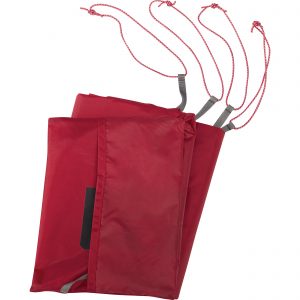
Best for MSR tent owners
MSR Universal Footprint — 2 Person Regular
A model-size-specific barrier for MSR tents; compatibility matters more than a generic “2-person” label.
Best matched Hornet setup
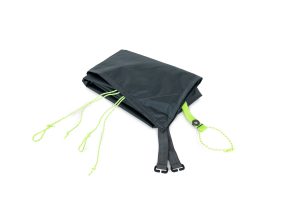
NEMO Hornet OSMO Footprint
A fitted, clipped-on accessory for Hornet OSMO owners who want a more abrasion-resistant layer.
Best minimalist pack option
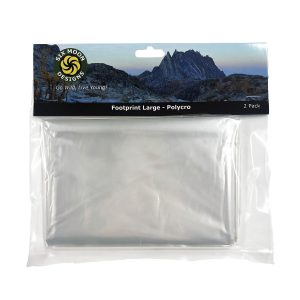
Six Moon Designs Polycro Footprint (2-Pack)
A thin, cut-to-fit film groundsheet for ounce-conscious hikers on reasonably smooth sites.

Best cut-to-fit abrasion layer
Zpacks Tyvek Groundsheet — 5 × 9 ft
A broad Tyvek HomeWrap sheet that prioritizes protection and repeat use over the lowest possible weight.
Best large trim-to-size sheet
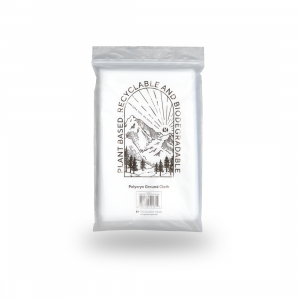
Gossamer Gear Polycryo Ground Cloth
A generous DIY ground cloth; be careful not to mistake the 2026 biobased version for a much lighter historical variant.

Best for car camping
Stansport Medium-Duty Rip-Stop Tarp — 8 × 10 ft
A reinforced polyethylene tarp for campers who need a multipurpose sheet and don’t mind bulk.
At-a-glance product comparison
| Product | Primary use | Key confirmed spec | Main trade-off |
|---|---|---|---|
| MSR Universal Footprint — 2 Person Regular | Best for MSR tent owners | Weight: 8 oz (227 g) | Not universal across all tent models |
| NEMO Hornet OSMO Footprint | Best matched Hornet setup | 1P minimum weight: 5.3 oz (150 g) | Wrong capacity will not fit correctly |
| Six Moon Designs Polycro Footprint (2-Pack) | Best minimalist pack option | Large: 96 × 48 in (244 × 122 cm) | Thin film may tear on abrasive ground |
| Zpacks Tyvek Groundsheet — 5 × 9 ft | Best cut-to-fit abrasion layer | Manufacturer weight: 9.2 oz (262 g) | Bulkier and heavier than Polycro |
| Gossamer Gear Polycryo Ground Cloth | Best large trim-to-size sheet | Current listed weight: 5.9 oz (168 g) | Older reviews may quote 104 g for a different version |
| Stansport Medium-Duty Rip-Stop Tarp — 8 × 10 ft | Best for car camping | Finished size: 7 ft 6 in × 9 ft 8 in | Not a lightweight backpacking choice |
Six ground covers reviewed: specifications, pros & cons
How we selected them: We compared currently published manufacturer specifications and dimensions, practical packing/fit trade-offs, and anecdotal Reddit discussions about ground protection, standing water, wind and torn polycro. We did not test these products ourselves. Image sources and official technical pages appear with each card.
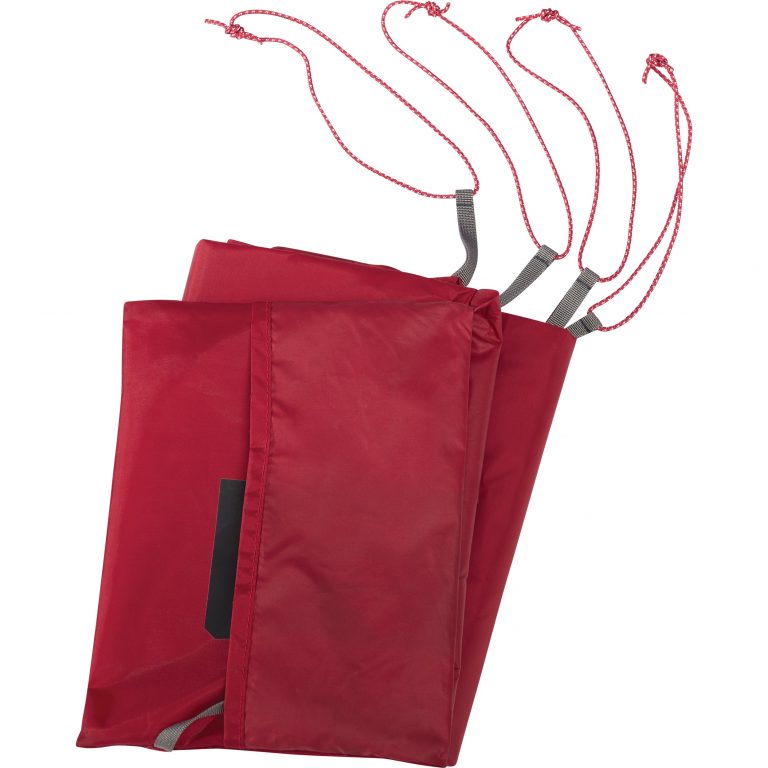
MSR Universal Footprint — 2 Person Regular
A model-size-specific barrier for MSR tents; compatibility matters more than a generic “2-person” label.
- MSR publishes a model-specific size chart
- Neater fit and setup than folding a large tarp
- Convenient floor abrasion protection
- Not universal across all tent models
- Heavier than minimalist plastic film
- Cannot rescue a flooded campsite or worn floor coating
Buy it if: You own a listed compatible MSR tent and prioritize fit over saving a few ounces.
Skip it if: Your tent is not on the compatibility chart, or you need the lightest possible groundsheet.
Amazon button opens a search-results page, not a verified ASIN listing. Compare capacity, model year, size and seller before ordering.
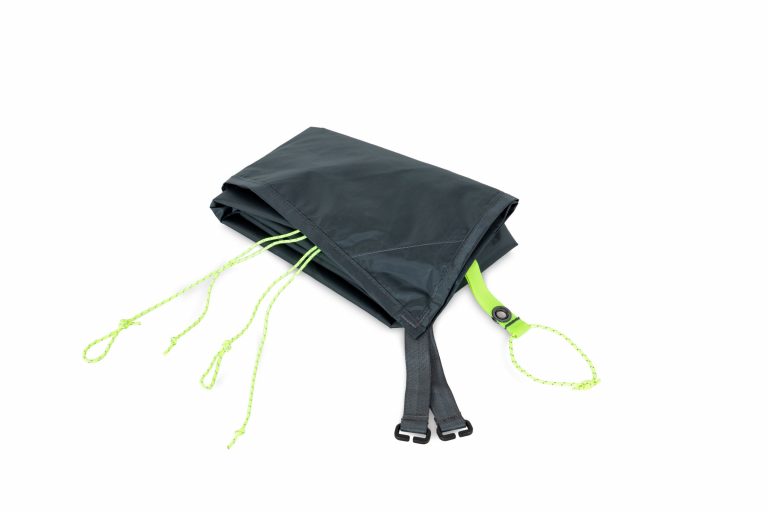
NEMO Hornet OSMO Footprint
A fitted, clipped-on accessory for Hornet OSMO owners who want a more abrasion-resistant layer.
- Designed to fit a specific Hornet OSMO capacity
- Corner C-clips simplify alignment
- Heavier-duty fabric than ultrathin film
- Wrong capacity will not fit correctly
- Adds cost and pack weight
- Not a general-purpose tarp
Buy it if: You own a Hornet OSMO and have checked the exact 1P/2P/3P version.
Skip it if: You frequently switch tents or need one shared groundsheet.
Amazon button opens a search-results page, not a verified ASIN listing. Compare capacity, model year, size and seller before ordering.
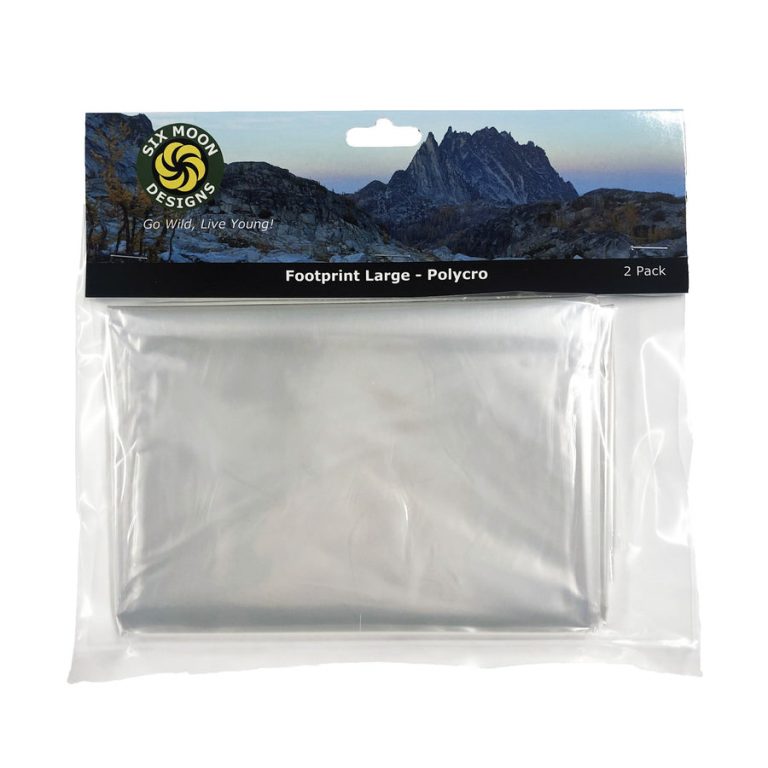
Six Moon Designs Polycro Footprint (2-Pack)
A thin, cut-to-fit film groundsheet for ounce-conscious hikers on reasonably smooth sites.
- Packs small and trims to floor dimensions
- Two sheets let you keep a spare
- Useful for a minimalist shelter setup
- Thin film may tear on abrasive ground
- Can blow around while pitching in wind
- Check current size and thickness; older listings vary
Buy it if: You care about pack space and can choose a smooth campsite.
Skip it if: You need easy handling in gusts or frequently camp on rock and gravel.
Amazon button opens a search-results page, not a verified ASIN listing. Compare capacity, model year, size and seller before ordering.

Zpacks Tyvek Groundsheet — 5 × 9 ft
A broad Tyvek HomeWrap sheet that prioritizes protection and repeat use over the lowest possible weight.
- Large sheet can be cut to exact dimensions
- Stronger-feeling material than thin film
- Good abrasion barrier where tent floors face gravel
- Bulkier and heavier than Polycro
- Can feel stiff or noisy during folding
- Still requires accurate sizing and careful site selection
Buy it if: Your priority is a reusable DIY groundsheet for regular camping.
Skip it if: Your backpacking kit is optimized for the lowest base weight.
Amazon button opens a search-results page, not a verified ASIN listing. Compare capacity, model year, size and seller before ordering.
Gossamer Gear Polycryo Ground Cloth
A generous DIY ground cloth; be careful not to mistake the 2026 biobased version for a much lighter historical variant.
- Large enough to trim for many tent floors
- Brand documents current size and material
- No complex corner attachment system
- Older reviews may quote 104 g for a different version
- Wind and uneven ground require care
- Less tidy than a tent-matched clipped-on footprint
Buy it if: You need a DIY film sheet and have checked today’s exact version.
Skip it if: You’re buying on the assumption that older published weight applies.
Amazon button opens a search-results page, not a verified ASIN listing. Compare capacity, model year, size and seller before ordering.
Stansport Medium-Duty Rip-Stop Tarp — 8 × 10 ft
A reinforced polyethylene tarp for campers who need a multipurpose sheet and don’t mind bulk.
- Can serve several car-camping purposes
- Reinforced edges and corner hardware
- Foldable under a tent floor when needed
- Not a lightweight backpacking choice
- Exposed edges can collect rainwater
- Grommets and stiff folds need careful positioning
Buy it if: You arrive by car and want one affordable multipurpose tarp.
Skip it if: You need a minimal, model-fitted backpacking footprint.
Amazon button opens a search-results page, not a verified ASIN listing. Compare capacity, model year, size and seller before ordering.
What Reddit campers say (context, not laboratory testing)
In r/Ultralight’s polycro discussion, some campers report that thin film tears or becomes awkward to manage in wind, while others prefer its low weight. The conversation is about materials, not a verified defect in any particular model.
A r/CampingGear rain setup discussion and a flooded campsite account both underscore that even a correctly sized footprint cannot compensate for water collecting across a low campsite.
This is anecdotal feedback. The technical specifications above come from manufacturers; our pros, cons and buying recommendations are editorial assessments.
Footprint vs. tarp vs. no groundsheet: the buying decision
Imagine arriving at a U.S. state park on a wet November afternoon. The site is packed earth with scattered gravel, and the forecast calls for more rain. What should go underneath the tent? The answer depends more on the tent floor, campsite surface, pack weight and fit than on whether a product is marketed as “heavy duty.”
| Option | Best fit | Advantages | Trade-offs |
|---|---|---|---|
| Manufacturer-matched footprint | Frequent campers and backpackers using a compatible tent | Designed for that floor shape; convenient setup; abrasion barrier | Extra purchase and packed weight; check exact model and year |
| Generic tarp or plastic groundsheet | Car camping and budget setups | Flexible sizing and other possible campsite uses | Often bulkier; must be folded or trimmed inside the floor perimeter |
| Lightweight DIY sheet | Weight-conscious hikers | Can be sized closely to the tent; flexible material choices | Cutting, wear and compatibility are your responsibility |
| No separate groundsheet | Suitable soft campsites and tents designed for direct pitching | Less to carry and dry | Tent floor takes the dirt and abrasion directly |
REI notes that a footprint’s primary role is to shield the tent floor from abrasive ground. It can help with cleanliness, but it does not replace a sound floor coating, proper rainfly or sensible campsite selection.
The wet-ground mistake: letting a tarp stick out
If a groundsheet extends past the tent perimeter, water draining off the shelter can land on the exposed sheet and travel between the tent floor and groundsheet. That is the exact opposite of what campers want during a downpour.
The U.S. National Park Service’s campsite setup guidance says to fold excess tarp material underneath. REI similarly recommends a footprint that is slightly smaller than the floor, not one that sticks out.
- Choose a legal, established tent site that is not a natural drainage channel or depression.
- Remove loose sharp sticks and stones without excavating or damaging vegetation.
- Lay the footprint flat; if using a general tarp, fold all extra material underneath.
- Pitch the tent so no groundsheet edge is exposed to dripping rain.
- Tension the rainfly and ventilation openings according to the tent maker’s instructions.
- After rainfall, check whether water is flowing across the site; if it is, moving the tent to a safer spot matters more than adding another sheet.
Do not dig trenches around a tent or modify a protected campsite. Site selection and Leave No Trace practices still apply.
What Reddit campers actually report—and what it does not prove
We reviewed public conversations to understand the real questions people face, not to treat anonymous comments as independent product testing.
1. Campers value easier cleanup and floor protection
In a r/CampingGear discussion about groundsheets, commenters described using model-specific footprints, inexpensive folded tarps and cut-to-size Tyvek. A repeated reason was protecting the floor and keeping it cleaner. Not everyone agreed a footprint was essential.
2. Flooded ground can defeat a seemingly sensible setup
A r/camping discussion about a footprint in heavy rain described water gathering between the floor and footprint after the site flooded. Comments focused on the importance of campsite drainage. This is a single reported incident; it cannot establish that footprints cause leaking in general.
3. Many people underestimate sizing
In a September 2026 camping discussion, campers compared bulky tarps, custom footprints and using nothing. The practical issue running through the conversation was not a magic fabric but correctly fitting the ground layer to the tent.
Our interpretation: People often buy the wrong size or expect a groundsheet to solve standing water. Prioritize fit and drainage before material marketing claims.
Which groundsheet should you buy for rain?
Car camping at a maintained campground
For a roomy family tent, a compatible footprint is a low-fuss option. A tarp may be a practical budget alternative if you can fold it completely under the floor. Inspect the tarp for rough grommets, tears or rigid folds that could press against the fabric. Check the campsite for runoff before pitching.
Backpacking with a lightweight tent
Weight and packed volume matter. Compare the exact weights of compatible products rather than assuming every manufacturer footprint is light. A well-cut lightweight sheet may make sense; omitting a footprint can also be reasonable in benign conditions if your tent manufacturer allows it. Give particular attention to the floor fabric and how often you camp on rough ground.
Rain-prone shoulder-season camping
A groundsheet may help reduce abrasion and keep mud off the floor, but it is not a substitute for a waterproof tent floor. Inspect seam sealing, coatings and rainfly coverage first. If moisture appears on the inside walls, you may be seeing tent condensation rather than a ground leak.
What changes when camping on snow?
A footprint is not a winter insulation system. Snow can melt or refreeze beneath a tent; an extra ground layer does not replace an appropriately insulated sleeping pad. For cold nights, think of three separate jobs:
- Floor protection: Is the surface abrasive, icy or dirty enough to benefit from a fitted groundsheet?
- Sleep insulation: Does your sleeping pad have an appropriate tested R-value for your conditions? Read our sleeping pad R-value guide.
- Weather suitability: Is the tent itself designed for the expected wind and snow load? See our 3-season versus 4-season tent comparison.
Never assume that an extra tarp converts a three-season shelter into a winter-rated tent. Severe winter environments involve additional avalanche, exposure and shelter risks beyond groundsheet selection. Check local forecasts, terrain and official guidance.
How to measure a tent footprint correctly
Start with the floor dimensions in the manufacturer’s specifications, not the rainfly’s footprint or the overall campsite footprint including guy lines. A fitted footprint should sit completely inside the tent floor’s outline. For curved or tapered floors, check the shape rather than relying on length and width alone.
- Confirm the tent make, model, capacity and model year before buying a branded accessory.
- Check whether the floor tapers toward one end or has unusual corners.
- For a DIY sheet, lay the tent over the material on a clean surface and mark where it must fit beneath the floor without protruding.
- Check attachment points if you want a footprint that clips to the tent or supports a manufacturer-approved fly-first pitch.
- Follow the tent manufacturer’s instructions; don’t infer fit from a generic “4-person” label.
Buying checklist: six things to verify before checkout
- Compatibility: Exact tent model and floor shape.
- Intended use: Car campground, backpacking, wet autumn campsite or snow.
- Material and durability: Published fabric/coating specs where available, not vague “indestructible” claims.
- Packed size and weight: Compare actual listed measurements for your preferred size.
- Fit and attachment: Smaller than floor perimeter; compatible corner points if needed.
- Repairability: Will a simpler patchable sheet meet your needs, or does the branded footprint offer a feature you value?
For tents themselves, start with our camping tent comparison and buying guide. If you camp with a family or from an SUV, our car-camping equipment checklist helps organize the rest of the setup.
More Amazon searches by material
Affiliate disclosure: The Amazon links below are affiliate links. As an Amazon Associate, Old Ranger Days earns from qualifying purchases, at no extra cost to you. These links open Amazon.com search results, not pre-verified individual product listings. Check model compatibility, product specifications, seller, shipping and current availability before buying. We have not personally tested or endorsed a specific item from these search results.
- For a fitted tent footprint: Start by matching the exact tent brand, model, and year. Browse tent footprints on Amazon.com (affiliate link).
- For a flexible car-camping tarp: Choose a size you can fold completely beneath the tent floor. Browse camping ground tarps on Amazon.com (affiliate link).
- For a compact backpacking groundsheet: Compare actual packed weight and dimensions rather than a generic capacity label. Browse lightweight tent groundsheets on Amazon.com (affiliate link).
Amazon search results change, and a general search cannot confirm that any specific product fits your tent. For the full purchase decision, use the sizing and material checklist above.
Related buying decisions: A groundsheet cannot compensate for poor rainfly coverage, weak seam construction, or a tent that is too small for your sleeping setup. Before choosing a footprint or tarp, read our rain-ready camping tent buying checklist and 2-, 4-, and 6-person tent sizing guide. Both help narrow the tent model before you buy a fitted footprint.
Frequently asked questions
Does a footprint make a tent waterproof?
No. It can add a layer between the floor and the ground, but leaks can result from damaged floor coatings, seams, an overwhelmed rainfly or site runoff. Diagnose the cause rather than treating any sheet as a waterproofing cure.
Can I use a cheap tarp under a tent?
Often yes for car camping, provided you select a compatible size and tuck every exposed edge under the floor. The National Park Service explicitly describes a waterproof tarp as an alternative groundcloth when installed correctly.
Should the footprint be bigger than the tent?
No. For typical enclosed tents, it should not extend past the floor perimeter. Follow any specific manufacturer instructions for unusual shelter designs.
Do I need a footprint on snow?
Not always. Assess the tent floor, site and manufacturer’s advice. For warmth, prioritize your sleeping pad insulation and overall winter shelter system rather than relying on a groundsheet alone.
Can I use a footprint instead of a sleeping pad?
No. A groundsheet protects fabric against the campsite surface; a sleeping pad supports the sleeper and provides thermal insulation.
Final picks: which ground cover should you buy?
There is no honest universal winner without knowing the exact tent and campsite. The strongest buying decision comes from matching the material to your use case:
- Existing MSR or NEMO tent: Start with the compatible MSR Universal or NEMO Hornet OSMO footprint. Fit and attachment should decide your purchase, not a generic size label.
- Low-bulk backpacking: Try the Six Moon Designs Polycro if you accept careful pitching and faster wear.
- Repeated rough-ground use: Consider the Zpacks Tyvek sheet, with the added packed weight.
- Drive-in campsites: Choose a properly tucked Stansport tarp when flexibility is more important than ultralight weight.
Shop fitted MSR footprints ↗ Shop ultralight sheets ↗ Shop car-camping tarps ↗
Affiliate links open Amazon.com search results; exact products, availability and prices are not independently verified. Check the manufacturer documentation before choosing a variant.
Bottom line
Choose a fitted footprint if compatibility and quick setup matter most. Choose a properly tucked tarp if you’re car camping and want a flexible, inexpensive alternative. Consider a lightweight sheet or no additional layer for certain backpacking situations when compatible with the shelter and terrain. For wet or snowy trips, start with campsite drainage, tent condition and sleeping insulation—those are the bigger decisions.
Sources and editorial transparency
- U.S. National Park Service — Finding and Setting Up a Campsite
- REI Expert Advice — What Is a Tent Footprint?
- REI Expert Advice — Tent Care and Waterproofing
- Reddit r/CampingGear — Groundsheet experiences (anecdotal)
- Reddit r/camping — Rain pooling discussion (anecdotal)
- Reddit r/camping — Groundsheet choices (anecdotal)
Old Ranger Days does not claim hands-on testing of the accessories in this guide. No live Amazon price or inventory claim is made. Last reviewed November 2026.
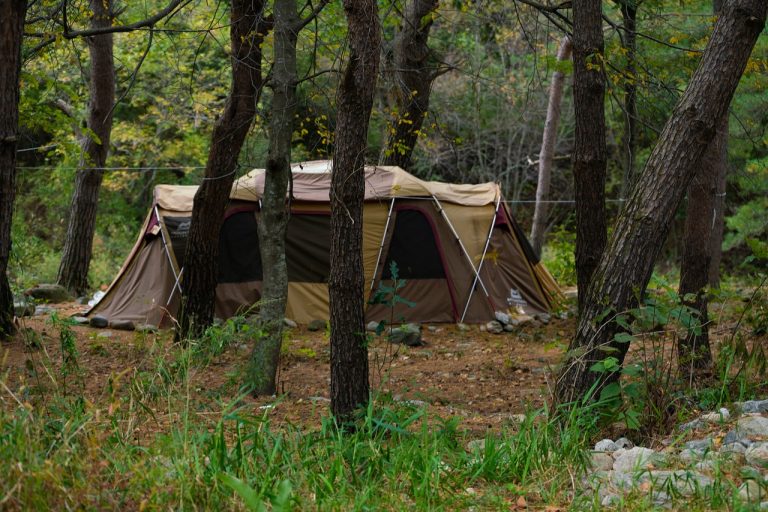
Featured photograph: chulmin1700 / Pixabay. Used as an editorial illustration, not as a product-test photo.
Old Ranger Days is research-based: we work from verified specifications and official sources, and never claim hands-on testing unless it happened. Some links may be affiliate links. Editorial policy · Affiliate disclosure