Old Ranger Days
Packs & Camp Gear
Car-Camping Equipment Guide: Family, Solo and SUV Setups
In this guide
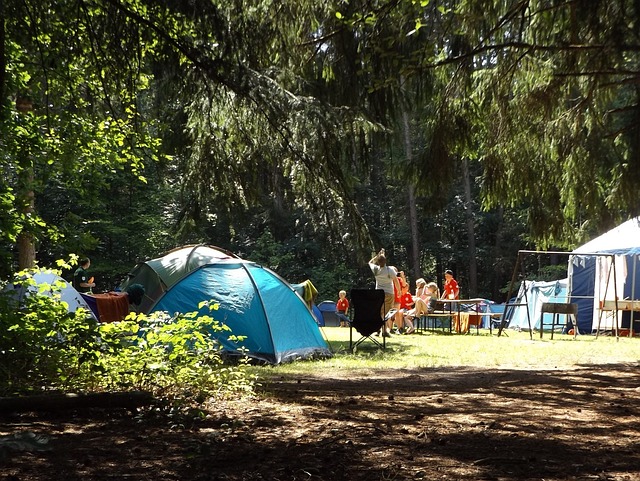
Car camping makes it possible to carry a larger tent, a well-fitted tent footprint or ground tarp, a comfortable mattress and a real camp kitchen, but more equipment does not automatically create a better campsite. The most effective setup depends on who is traveling, how much cargo space is available and whether everyone sleeps in a tent or inside the vehicle.
This guide builds three practical systems for U.S. campgrounds: family camping, solo camping and SUV sleeping. Product specifications are based on current manufacturer information. Old Ranger Days has not personally tested every item mentioned, and campground rules always take priority.
Shopping for a car-camping setup? Compare single-burner vs two-burner camping stoves before choosing your camp kitchen, and see our camping weather radio guide for weather-alert and backup-power options. These guides focus on practical trade-offs, not unverified product ratings.
Quick comparison: family, solo and SUV car camping
| Setup | Main priority | Shelter direction | Common mistake |
|---|---|---|---|
| Family | Space, organization and easy meals | Large tent with realistic sleeping capacity | Buying by person rating without checking floor dimensions |
| Solo | Simple setup and compact storage | Small tent or vehicle platform | Carrying a group-size kitchen for one person |
| SUV | Flat sleep surface and ventilation | Vehicle-specific mattress or platform | Using fuel-burning appliances inside the vehicle |
The core car-camping equipment list
- Shelter appropriate for the occupants and forecast
- Sleeping bags or blankets matched to overnight temperatures
- Insulated sleeping pads or vehicle mattress
- Camp stove used only in an appropriate outdoor location
- Cookware, utensils and a safe water container
- Cooler and separate dry-food storage
- Headlamps plus area lighting
- First-aid kit and personal medications
- Weather protection and spare dry clothing
- Fire extinguisher or other site-appropriate fire-safety equipment
- Trash system and wildlife-compliant food storage
- Chairs and a table only when the campsite does not provide what you need
Family car-camping setup
A family system works best when equipment is divided into zones: shelter, sleep, kitchen, food storage and cleanup. Color-coded bins or clearly labeled bags reduce the number of loose objects in the tent and make it easier to pack everything before departure.
Coleman Skydome 6-Person with Screen Room
Coleman lists this model with a 10-by-12.5-foot footprint, a 6-foot center height, pre-attached poles and capacity for two queen-size airbeds. The manufacturer lists a weight around 19.34 pounds. Those dimensions make it relevant to vehicle-supported family use, but the six-person label should not be confused with spacious sleeping for six adults plus their equipment.
Best use: Developed campgrounds for a small family wanting standing height and a screened area.
Ideal buyer: Campers who prioritize living space and a straightforward pitch over low weight.
Key limitation: Large footprint and packed size; some campsites or tent pads may not accommodate it comfortably.
Find the Coleman Skydome 6-Person tent on Amazon US
Family kitchen and food storage
Use a stable two-burner stove outdoors, keep raw ingredients separated and store scented items according to the campground’s wildlife rules. Some NPS campgrounds require food, pet food, trash and related supplies to be secured in a vehicle, locker or animal-resistant container whenever they are not actively being prepared.
A family cooler should be selected by trip duration, vehicle space and lifting ability—not by the largest capacity available. A fully loaded 70-quart cooler can be very heavy, so divide food and drinks between two smaller coolers if that makes handling safer.
Igloo Marine Ultra 70 Qt
Igloo lists the Marine Ultra 70 at 70 quarts, 13.4 pounds empty and roughly 29.77 by 16.59 by 16.04 inches externally. The listed capacity is useful for group food and drinks, but owners should measure the cargo area and estimate loaded weight before choosing this size.
Best use: Multi-person campground trips with vehicle access.
Ideal buyer: A family that needs large cold storage and can lift or share the loaded cooler safely.
Key limitation: Bulky when full and too large for many solo weekends.
Find the Igloo Marine Ultra 70 Qt on Amazon US
Solo car-camping setup
Solo equipment should be fast to deploy and easy to move without assistance. A two- or three-person tent often gives one camper useful room for bedding and clothing while remaining easier to dry and pack than a family shelter.
Solo packing priorities
- Compact tent that can be pitched by one person
- One insulated pad and temperature-appropriate bag
- Single-burner or compact two-burner stove based on menu
- Small cooler or insulated food bag
- One camp chair and compact table only if needed
- Independent navigation, communication and first aid
- Battery jump pack and basic vehicle equipment
The Coleman Skydome 2-Person is one accessible direction for solo campground use. Coleman offers the Skydome line in several capacities and describes the two-person version as a compact car-camping shelter. A solo camper gains extra space without moving to a large group tent.
Best use: One-person developed-campground trips.
Ideal buyer: A camper wanting a simple freestanding shelter with room for gear.
Key limitation: Still larger and heavier than a backpacking-focused solo tent.
Find the Coleman Skydome 2-Person tent on Amazon US
SUV sleeping setup
Sleeping inside an SUV can reduce setup time and improve wind protection, but it is not automatically legal everywhere. Yosemite, for example, states that sleeping in a vehicle is allowed only in a campsite where the visitor is registered. Parking lots, pullouts and trailheads may prohibit overnight occupancy.
EXPED MegaMat Auto
EXPED shapes the MegaMat Auto for vehicle cargo areas. The manufacturer lists an 8.1 R-value, 4-inch thickness, 77.6-inch length, 52-inch top width and 41-inch bottom width, with a packed size around 27.6 by 11.8 inches. The listed weight is 7 pounds 15 ounces.
Best use: SUVs and wagons with folded seats and a compatible cargo profile.
Ideal buyer: A vehicle sleeper prioritizing insulation and comfort over packed volume.
Key limitation: Fit varies widely by vehicle; wheel wells, seat gaps and sloped floors must be measured before purchase.
Find the EXPED MegaMat Auto on Amazon US
How to sleep safely inside a vehicle
- Confirm that overnight vehicle sleeping is permitted at the exact location.
- Create a stable, level platform; do not bridge unsupported seat gaps with the mattress alone.
- Use screens or rain guards to provide ventilation while controlling insects and weather.
- Keep keys accessible and maintain a clear exit route.
- Never operate a camp stove, charcoal grill, lantern or unvented fuel-burning heater inside the vehicle.
- Do not idle the engine for heat while sleeping.
- Keep bedding and equipment away from controls, pedals and the driver’s field of view before moving.
The National Park Service warns that camp stoves, lanterns and charcoal should never be burned inside a tent, vehicle or other confined space because of carbon monoxide and fire danger.
Car-camping kitchen checklist
- Plan meals before choosing cookware.
- Pack only the pots and utensils required by that menu.
- Bring a lighter and backup ignition method.
- Carry sufficient water for drinking, cooking and cleanup.
- Separate handwashing supplies from drinking-water equipment.
- Use a washable bin or basin where campground rules permit.
- Secure all food, trash and scented toiletries when unattended or sleeping.
- Verify current fire restrictions before using any stove or grill.
Equipment that beginners often overbuy
- Oversized tent: Harder to pitch, dry and fit on a designated pad.
- Too many kitchen tools: A simple menu usually needs one pot, one pan and basic utensils.
- Large power station: Useful only when there is a defined electrical need and safe charging plan.
- Multiple lanterns: Headlamps and one controlled area light are often enough.
- Furniture for every task: Check whether the site already provides a table and fire ring.
Before leaving home
- Verify reservation, check-in rules and campsite dimensions.
- Read current alerts, fire restrictions and wildlife-storage requirements.
- Pitch the tent and inspect the rainfly, poles and stakes.
- Inflate every mattress and pack its repair kit.
- Test the stove outdoors and inspect fuel connections.
- Measure large items against the vehicle cargo space.
- Save an offline map and tell someone the itinerary.
Bottom line
Families benefit from space and organized systems, solo campers benefit from simplicity, and SUV campers need accurate measurements and strict ventilation discipline. Buy equipment around the real occupants, expected temperature and campsite—not an idealized catalog setup. The best car-camping kit is the smallest reliable system that keeps everyone sheltered, fed and able to pack up safely.
Continue planning with our Car Camping for Beginners guide, Camping Stove Types guide, Fall Camping Sleep System guide and Outdoor Gear Guide.
As an Amazon Associate, Old Ranger Days earns from qualifying purchases.
Sources and manufacturer information
- National Park Service: Yosemite camping and vehicle-sleeping rules
- National Park Service: carbon monoxide and camp-appliance safety
- Coleman: Skydome 6-Person specifications
- EXPED USA: MegaMat Auto specifications
- Igloo: Marine Ultra 70 Qt specifications
Old Ranger Days is research-based: we work from verified specifications and official sources, and never claim hands-on testing unless it happened. Some links may be affiliate links. Editorial policy · Affiliate disclosure