Old Ranger Days
Trail Safety
Fall Camping Sleep System: Sleeping Bag Ratings, Pad R-Values and 4 Amazon Options
In this guide
- Quick fall sleep-system recommendations
- Comfort rating vs. lower-limit rating
- Why sleeping-pad R-value matters
- Four useful fall sleeping-system options
- How to build a fall sleep system by trip type
- Common fall sleeping mistakes
- Fall sleep-system buying checklist
- When fall camping becomes winter camping: three buying checks
- Bottom line
- Sources and manufacturer information
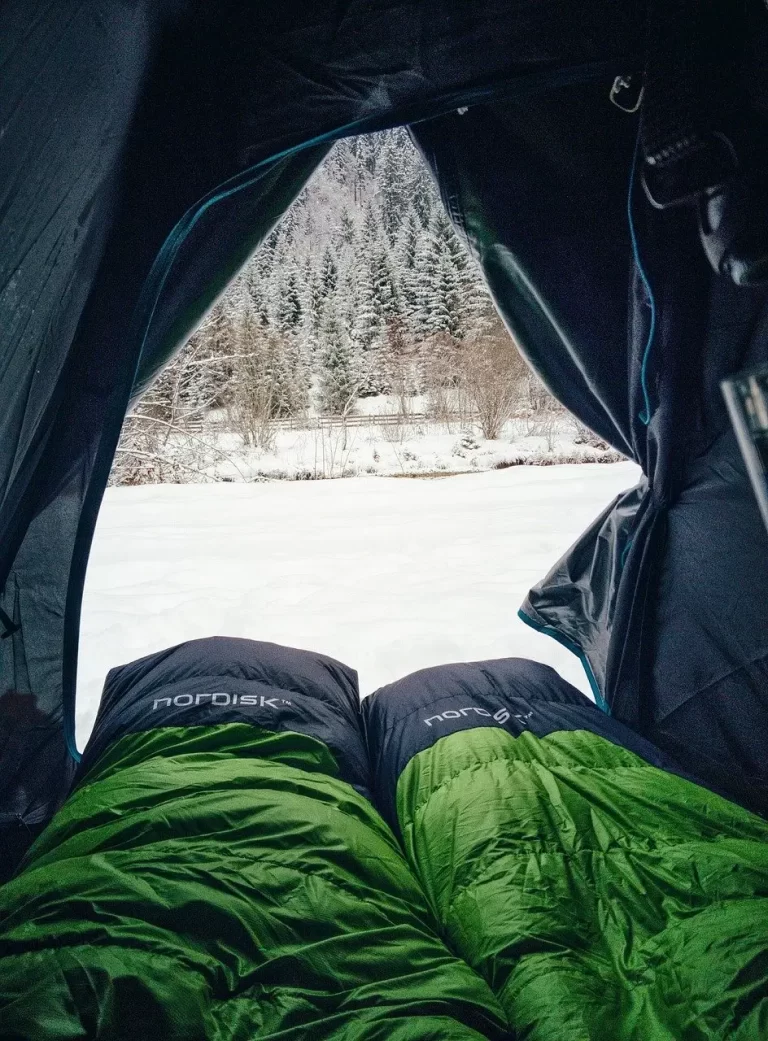
A fall sleeping system is not just a sleeping bag. Before choosing a product, compare the 20°F versus 30°F sleeping-bag comfort ratings and the foam versus insulated inflatable sleeping-pad tradeoffs; these explain two different buying decisions that need to work together. The bag or quilt slows heat loss above and around you, while the sleeping pad reduces heat loss into the ground. If either part is mismatched to the expected overnight low, a seemingly mild autumn forecast can become a long, cold night.
This USA-focused guide explains sleeping-bag temperature labels, sleeping-pad R-values and four practical product directions for fall car camping and backpacking. Product descriptions are based on manufacturer-published information, not personal field testing. Verify the exact model, size, specifications and seller on any retailer page before buying.
Affiliate disclosure: As an Amazon Associate, Old Ranger Days earns from qualifying purchases. Some product links in this guide are affiliate links; using them may earn us a commission at no additional cost to you.
Quick fall sleep-system recommendations
| Expected overnight low | Bag starting point | Pad starting point |
|---|---|---|
| Around 50°F | 30°F rating or lower | R-value below 2 may work for warm conditions |
| Around 32°F | 20°F rating or lower | R-value 2–3.9 |
| Around 20°F | 15°F rating or lower | R-value 4–5.4 |
| Around 0°F | 0°F rating or lower | R-value 5.5+ |
These are planning ranges, not promises of comfort. REI’s sleep-system guidance uses similar pairings to show why a warm bag still needs adequate insulation underneath. Cold sleepers, older campers, people who are tired or underfed, and anyone camping in damp or windy conditions should build in more margin.
Comfort rating vs. lower-limit rating
Standardized sleeping-bag labels may include a comfort rating and a lower-limit rating. The comfort number is the more conservative place to start for a cold sleeper. The lower limit is generally more relevant to a warm sleeper in a curled position. An extreme rating is a survival-oriented laboratory value—not a reasonable target for trip planning.
If a product advertises only one temperature number, check whether it is an ISO/EN-tested comfort value, an ISO/EN lower limit or the manufacturer’s own estimate. Two bags carrying “20°F” in their names may not provide the same real-world warmth.
Why sleeping-pad R-value matters
Sleeping-bag insulation compresses beneath your body and loses much of its loft. The pad becomes the primary defense against conductive heat loss into the ground. R-value measures resistance to heat flow; a larger number indicates more insulation.
Pad R-values can generally be added when two pads are stacked. A closed-cell foam pad beneath or above an inflatable can add warmth, provide redundancy and help protect the inflatable. Make sure the values were measured to the current ASTM standard when comparing products.
Four useful fall sleeping-system options
1. Kelty Cosmic Down 20: approachable backpacking bag
Kelty lists the regular Cosmic Down 20 at 2 pounds 7 ounces with 550-fill down, a 20°F temperature rating and a fit for users up to 6 feet tall. Its semi-rectangular shape provides more room than a very narrow mummy bag, while the packed size remains reasonable for backpacking.
Best use: Three-season backpacking and cool-weather camping.
Ideal buyer: Someone seeking a recognizable down bag without moving immediately into premium ultralight pricing.
Key limitation: The 20°F name should not automatically be treated as a universal comfort temperature; confirm the current model’s test label and build in personal margin.
Find the Kelty Cosmic Down 20 on Amazon US
2. The North Face One Bag: broad temperature flexibility
The North Face One Bag uses separate layers that the manufacturer rates at 40°F and 20°F, with a combined 5°F configuration. The regular size is listed at 3 pounds 13 ounces. That adaptability is valuable for campers who visit different regions across fall, but the system is heavier and bulkier than a dedicated lightweight backpacking bag.
Best use: Car camping and short approaches across changing temperatures.
Ideal buyer: A camper who values one adaptable system more than minimum weight.
Key limitation: Weight and packed volume are substantial for long-distance backpacking.
Find The North Face One Bag on Amazon US
3. NEMO Tensor All-Season: insulated backpacking pad
NEMO lists the Tensor All-Season with a 5.4 R-value and 3.5-inch thickness. The regular mummy version has a 14.1-ounce minimum weight, while shape and size variations weigh more. That warmth-to-weight profile makes it relevant to cold fall backpacking, provided the user is comfortable caring for an inflatable pad.
Best use: Backpacking when overnight lows may approach freezing or below.
Ideal buyer: A hiker prioritizing warmth and packability.
Key limitation: Inflatable pads require puncture prevention and a field-repair plan.
Find the NEMO Tensor All-Season on Amazon US
4. EXPED MegaMat: high-comfort car-camping pad
EXPED lists the standard MegaMat with an R-value of 8.1 and 4-inch thickness. Depending on size, it weighs several pounds and packs much larger than a backpacking pad. That makes it a vehicle-based comfort choice rather than a trail option.
Best use: Car camping, base camps and guests who struggle to sleep on thin pads.
Ideal buyer: Someone willing to trade cargo space for warmth and mattress-like comfort.
Key limitation: Too heavy and bulky for ordinary backpacking.
Find the EXPED MegaMat on Amazon US
How to build a fall sleep system by trip type
Fall car camping
Weight matters less, so prioritize pad insulation, space and reliable bedding. A layered bag can handle a wide temperature range. Bring a fitted beanie, dry base layers and an extra blanket, but do not use loose bedding as a substitute for an adequately rated pad.
Fall backpacking
Compare the complete weight of the bag, pad, inflation sack, repair kit and any extra foam layer. A 20°F bag paired with a low-R summer pad is not a balanced cold-weather system. If you camp near freezing, an insulated pad in roughly the R-4 to R-5.4 range provides a more defensible starting point.
SUV sleeping
A vehicle blocks wind but does not create insulation underneath you. The cargo floor can become very cold overnight. Measure the sleeping platform before buying a wide mat, allow ventilation to reduce condensation and never operate a fuel-burning heater or stove inside the vehicle.
Common fall sleeping mistakes
- Planning from the daytime high: Use the forecast overnight low for the campsite’s elevation.
- Treating the bag’s name as guaranteed comfort: Read the actual rating label and test method.
- Ignoring the pad: Ground insulation is a major part of the system.
- Wearing damp clothing to bed: Reserve dry base layers and socks for sleeping.
- Blocking the face inside the bag: Exhaled moisture can dampen insulation; use the hood and draft collar correctly.
- Waiting for the trip to test gear: Inflate the pad, inspect valves and spend a cool night close to home first.
Fall sleep-system buying checklist
- Find the realistic overnight low at campsite elevation.
- Decide whether you sleep warm, neutral or cold.
- Identify the bag’s comfort and lower-limit values.
- Pair the bag with an ASTM-rated pad appropriate for the temperature.
- Check user-height limits, shoulder room and pad width.
- Compare packed volume as well as weight.
- Carry a pad repair kit and know how to use it.
- Test the full system before a remote trip.
When fall camping becomes winter camping: three buying checks
A fall sleeping bag and pad combination should not be treated as an automatic winter setup. If the forecast includes sustained freezing temperatures, sleeping on snow or significant snowfall, reassess the whole camp system before purchasing more gear. The Rocky Mountain National Park winter backpacking checklist calls for season-appropriate sleeping bags and pads alongside shelter, a stove and fuel, and a shovel for snow work. The exact equipment depends on your route and conditions.
- Ground insulation first: Check the specific pad’s published ASTM R-value and the consequences of a leak. Compare the foam and insulated inflatable pad tradeoffs before assuming a warmer bag solves a cold-ground problem.
- Shelter for the forecast: If snow loading or severe wind is possible, read the 3-season versus 4-season tent buying guide. A sleeping bag cannot make an unsuitable shelter safe.
- Cooking and water: Freezing conditions can change fuel performance and access to liquid water. Compare canister versus liquid-fuel stoves for cold-weather camping, and practice using the complete system safely outdoors.
Buying decision: Prioritize adequate ground insulation and a shelter appropriate to the forecast before upgrading to a lighter or more expensive sleeping bag. Do not rely on a product temperature label as a guarantee of comfort or safety.
Bottom line
For most fall campers, the safest buying decision begins with the expected low temperature—not a product ranking. Build a balanced bag-and-pad combination, leave room for personal cold tolerance and choose a lighter system only when the trip actually requires carrying it. Car campers can gain far more comfort by putting weight into an insulated, supportive mattress, while backpackers should look for an efficient balance of bag rating, pad R-value and packed size.
Continue planning with our Fall Camping Checklist for U.S. National Parks, Outdoor Gear Guide and hypothermia guide.
For vehicle-based trips, pair this sleep system with the shelter, kitchen, water and safety checklist in our car-camping equipment guide.
Sources and manufacturer information
- REI: standardized sleep-system temperature guidance
- Kelty: Cosmic Down 20 specifications
- The North Face: One Bag specifications
- NEMO: Tensor All-Season specifications
- EXPED USA: MegaMat specifications
Old Ranger Days is research-based: we work from verified specifications and official sources, and never claim hands-on testing unless it happened. Some links may be affiliate links. Editorial policy · Affiliate disclosure