 Old Ranger Days
Clothing & Footwear
Merino Wool vs Synthetic Base Layers for Hiking
Merino wins on warmth and odor for cold, stop-start and multi-day hikes. Synthetic dries faster and lasts longer on sweaty climbs. A blend splits the two.
In this guide
The Smartwool Classic All-Season Merino Crew is the base layer most hikers should buy. It is lightweight merino with a nylon core for durability. Switchback Travel named it the best baselayer overall after a multi-day backpacking trip.
Pick synthetic instead if you sweat hard or hike in wet, humid weather. Synthetic dries faster, lasts longer and costs less, but it holds odor. Merino stays warmer when damp and stays fresh for days, but it dries slowly and wears out sooner.
We did not test these tops. The picks come from manufacturer pages, tests by Switchback Travel, OutdoorGearLab and CleverHiker, and owner discussions.
The other picks:
- Helly Hansen Lifa Stripe Crew: a cheap, thin synthetic top for sweaty climbs and fast hikes.
- Smartwool Classic Thermal Merino Crew: a warmer, 100% merino top for cold days and people who run cold.
- Icebreaker Merino 200 Oasis Crewe: a 100% merino top for multi-day trips and sleeping in camp.
Quick picks
| Pick | Best for | Why |
|---|---|---|
| Smartwool Classic All-Season Merino Crew | Most hikers, three seasons | 4.4 oz/yd² (150 g/m²) merino with a recycled nylon core |
| Helly Hansen Lifa Stripe Crew | Sweaty climbs on a budget | CleverHiker's most breathable and quickest-drying tested layer |
| Smartwool Classic Thermal Merino Crew | Cold days, people who run cold | 7.4 oz/yd² (250 g/m²), 100% merino wool |
| Icebreaker Merino 200 Oasis Crewe | Multi-day trips and camp | Worn 500 miles on the Colorado Trail by CleverHiker |
Links go to Amazon. They are affiliate links: we may earn a commission at no extra cost to you.
Video by Clay Hayes. We are not connected to this channel.
Merino vs synthetic at a glance
| Merino wool | Synthetic (polyester, polypropylene) | |
|---|---|---|
| Warmth for its weight | Best, and warm when damp | Lower |
| Drying speed | Slow | Fast |
| Odor over several days | Stays fresh | Holds odor |
| Durability | One to two seasons (lightweight) | Often three to four seasons |
| Care | Gentle wash, careful drying | Normal wash |
The durability numbers are Switchback's. Switchback says brands add synthetic fiber to lightweight merino "purely for longevity". The reason: merino under 5.9 oz/yd² (200 g/m²) is prone to holes.
The picks in detail
Smartwool Classic All-Season Merino Crew
This is for hikers who want one top for every season except real cold.
Smartwool lists a 4.4 oz/yd² (150 g/m²) fabric: 88% merino wool around a 12% recycled nylon core. Offset shoulder seams are meant to reduce chafing.
Switchback named it the best baselayer overall. Its testers liked it on steep climbs and around camp. CleverHiker found it among the best in its drying test, faster than some 100% merino layers.
The drawback is wear. Switchback warns this thin layer breaks down at the cuffs and shoulders despite the nylon. CleverHiker also found it a little itchier than other tops it tested.
Helly Hansen Lifa Stripe Crew
This is for hikers who sweat a lot, or who want a cheap first base layer.
Helly Hansen lists a light 3.7 oz/yd² (125 g/m²) fabric of 100% Lifa, with flatlock seams and natural stretch.
CleverHiker called it the most breathable and quickest-drying layer it tested. Switchback says it wicks sweat "much better than polyester".
The trade-off is warmth and smell. Switchback says it falls short in true winter. CleverHiker says it will start to stink over time and recommends sizing up one size. Two owners on Helly Hansen's page also say it runs small. Switchback had cuff stitching unravel after a few wears.
Smartwool Classic Thermal Merino Crew
This is for cold days, slow hikes and people who run cold.
Smartwool lists a midweight 7.4 oz/yd² (250 g/m²) fabric of 100% merino wool, with a slim fit and flatlock seams.
CleverHiker named the crew its warmest wool layer and says the wool still insulates when wet.
Icebreaker Merino 200 Oasis Crewe
This is for backpackers who wear one top for days and sleep in it.
Icebreaker lists 100% merino wool jersey. A medium weighs 7.64 oz (217 g). Flatlock seams help reduce friction.
CleverHiker used it as its hiking and sleeping base layer over 500 miles on the Colorado Trail. OutdoorGearLab named the women's version its best women's base layer.
Some owners on Icebreaker's page find the sleeves short. OutdoorGearLab says it takes longer to dry than most synthetics when wet. Switchback dropped it from its list: it found it not very breathable, and it rode up at the waist.
How to choose
Is merino or synthetic better for sweaty hiking?
Synthetic. Better Trail says synthetics breathe better and dry very quickly, while merino's slow drying is "a real issue in cold temperatures".
On the Backpacking Light forum, one member says a wet wool top is "very difficult to get dry" in humid, rainy weather. His thin synthetic shirt dries in 15 to 30 minutes while worn.
For sweaty climbs, pick the Helly Hansen Lifa Stripe Crew. Patagonia's Capilene Midweight, Switchback's best synthetic, is another well-reviewed option.
Merino vs synthetic for multi-day treks
Merino, mostly for smell. Switchback says merino is the best bet on a multi-day trip where you won't rinse your layers. On the Backpacking Light forum, one member wore a merino top non-stop for 10 days. Another wore merino for 11 days without discomfort.
Synthetic wins on toughness. One Backpacking Light member chose synthetic "for one reason: durability". Alpkit suggests a blend if you also carry a heavy pack.
Pick the Icebreaker 200 Oasis, or the All-Season if you want a lighter fabric.
Merino vs synthetic for cold-weather hiking
Merino is warmer for its weight. Switchback says merino delivers the best warmth-to-weight ratio. Better Trail picks it for low-output winter hiking and snowshoeing.
Kenai Fjords National Park says to shed layers when warm, because sweating cools the body. Hypothermia there can come from temperatures between 30 and 60 °F, especially with wind or rain.
For cold days, pick the Smartwool Classic Thermal. Put a fleece or puffy jacket over it for stops.
What about blends?
OutdoorGearLab says the synthetic fiber in a blend adds durability and helps the top keep its shape. The All-Season is our blend pick.
Why not cotton?
Cotton stays wet. Olympic National Park says to wear wool or synthetic layers, "NOT cotton!", and notes hypothermia can happen at 50 °F. Read the signs to watch for in our hypothermia guide.
Running, skiing, sailing and everyday wear
- Running: synthetic. Alpkit recommends light, close-fitting synthetic.
- Skiing: Switchback suggests a heavier merino layer like the Classic Thermal for resort skiing. For backcountry skiing, it prefers a thin, wicking layer like the Lifa.
- Sailing: Alpkit says merino stays warmer when damp, which suits cold days sitting in spray. Synthetic dries fastest for warm days and getting in and out of the water.
- Socks: Better Trail says merino is "especially great for socks". See our hiking socks guide.
- Commuting: Better Trail suggests merino under a sweater for everyday winter warmth.
- Sustainability: there is no clean winner. Better Trail notes merino biodegrades relatively quickly, while nylon and polyester microfibers do not. The Trek adds that raising sheep uses water and land.
For the rest of your layers, start at the outdoor gear guide, and add a shell from our rain jacket vs poncho guide.
Frequently asked questions
Is merino wool good for hiking?
Yes, especially on cool days with stops and on multi-day trips. Switchback calls it warm for its weight and far better than synthetics at fighting odor. The catches are durability and drying time: Switchback usually gets one to two seasons from a lightweight merino top.
Is merino wool synthetic?
No. Merino is a natural fiber from sheep. OutdoorGearLab groups it with natural fibers, apart from synthetics such as polyester, nylon and spandex. Many merino tops are blends, though: the Smartwool Classic All-Season is 88% merino and 12% recycled nylon.
Is merino wool waterproof?
No. Merino takes up moisture instead of shedding it. Alpkit says a soaked merino top takes longer to dry than synthetic, though it stays warmer while damp. Wear a rain jacket over it: Olympic National Park lists wool or synthetic layers plus rain gear.
Is merino worth the money for cold-weather hikes?
Yes for cold, stop-start days and trips where you cannot wash, says Alpkit. Better Trail picks merino for low-output winter hiking and snowshoeing. If you sweat hard and want one top for years, a synthetic lasts longer: Switchback often gets three to four seasons from one.
Should a hiking base layer be tight?
Close, but not restrictive. That is the fit OutdoorGearLab recommends. Switchback says a snug fit maximizes wicking and insulation. One Backpacking Light forum member adds that with loose, thick merino you might as well wear a fleece.
Sources
- Smartwool: Men's Classic All-Season Merino Base Layer Crew
- Smartwool: Men's Classic Thermal Merino Base Layer Crew
- Helly Hansen: HH Lifa Stripe Crew
- Icebreaker: Men's Merino 200 Oasis Long Sleeve Crewe Thermal Top
- Switchback Travel: Best Baselayers of 2026
- OutdoorGearLab: 10 Best Base Layers of 2026
- CleverHiker: Best Base Layers of 2026
- Better Trail: Merino Wool vs. Synthetic Base Layers
- Alpkit: Merino vs Synthetic Base Layers
- The Trek: Gear Wars, Merino Wool vs. Synthetic Base Layers
- Backpacking Light Forum: Merino or Synthetic Base Layers?
- National Park Service: Olympic National Park Wilderness Safety
- National Park Service: Kenai Fjords National Park Hypothermia
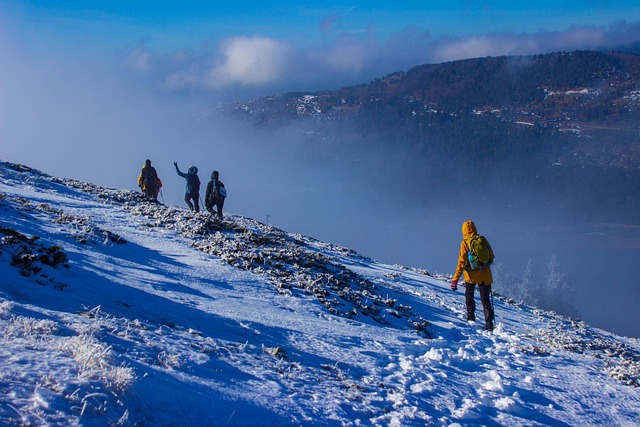
Cover photo: slf68 on Pixabay.
Old Ranger Days is research-based: we work from verified specifications and official sources, and never claim hands-on testing unless it happened. Some links may be affiliate links. Editorial policy · Affiliate disclosure