 Old Ranger Days
Clothing & Footwear
Hiking Socks Guide: Cushion, Height and Materials for U.S. Trails
In this guide
- Who This Hiking Socks Guide Is For
- Start With Footwear, Not Cushion Level
- Choose Sock Height by Coverage
- How Much Cushioning Do You Need?
- Merino Blend vs. Synthetic Hiking Socks
- Match the Sock to a U.S. Trail Region
- Four Current Amazon US Options
- Safety Alert: A 2026 Heated-Sock Recall
- A Five-Minute Sock and Foot Check
- Limitations of This Guide
- Frequently Asked Questions
- Official and Manufacturer Sources
Quick answer: Choose hiking socks by footwear volume and trail conditions before choosing a brand. A quarter or micro-crew sock with light cushioning usually works well with trail runners and low hiking shoes. A crew or boot-height sock with medium cushioning is a better match for boots, cooler mornings and brush. Merino blends are versatile for changing fall temperatures; fast-drying synthetics make sense for hot, humid or repeatedly wet trips. The sock should fit smoothly without wrinkles and should not make the shoe feel tight.
Early fall makes this choice more important than it looks. Rocky Mountain National Park’s trail report, updated August 21, 2026, described warm days, cool evenings, rain and muddy patches as summer transitioned toward fall. That combination can leave one pair of feet dealing with sweat, wet vegetation and a colder descent in the same day. This hiking socks guide gives U.S. hikers a practical way to match height, cushioning and material to the trip without pretending that one pair is best for everyone.
Who This Hiking Socks Guide Is For
This guide is for day hikers, weekend backpackers and trail runners choosing socks for U.S. trails in September and beyond. It is especially useful if you alternate between trail runners and boots, hike in more than one climate, get hot spots, or are unsure whether thicker socks will make footwear more comfortable.
Socks can manage moisture, separate skin from seams and add limited cushioning, but they cannot correct a poor shoe shape. If your toes touch the front, your heel lifts excessively or the upper squeezes your forefoot, solve the footwear fit first. Break new boots in on shorter walks before committing to a long backcountry day.
Start With Footwear, Not Cushion Level
Trail runners and low hiking shoes
Use a no-show sock only if its heel tab reliably protects the back of your ankle. Quarter and micro-crew heights give more reliable coverage against grit and a damp shoe collar. Light cushioning preserves interior space and usually dries faster than a bulky sock. If the shoe already fits snugly, a thick sock can increase pressure and friction rather than reduce it.
Mid-height hiking boots
A crew or micro-crew cuff should rise above the boot collar so skin never rubs directly against the upper. Light-to-medium cushioning is the normal starting point. Choose the exact thickness while wearing the same insole and boot you will use on trail.
Stiff boots and cold-weather footwear
A taller sock protects the shin and calf from a higher cuff. Medium or full cushioning may feel useful in cold conditions, but only when the boot has enough volume. Insulation comes from trapped air and circulation; compressing a foot into an undersized boot can make it colder. For snow and ice, pair the sock choice with the footwear and traction decisions in our microspikes vs. crampons guide.
Choose Sock Height by Coverage
No-show or tab: best for breathable low shoes on maintained trails. The limitation is minimal protection from debris, brush and a high shoe collar.
Quarter: a useful compromise for trail runners and low hiking shoes. It covers the ankle and can work under low gaiters, but may still sit below some boot collars.
Micro crew or crew: the most adaptable height for U.S. day hiking and backpacking. It clears most boot cuffs and gives some protection from plants and grit, with more fabric to retain heat.
Boot or over-the-calf: intended for tall footwear, deep snow and substantial brush. The added coverage can feel hot on humid Appalachian climbs or warm Southwest approaches.
How Much Cushioning Do You Need?
Light cushioning gives modest padding underfoot without taking much shoe volume. It is a sensible choice for warm conditions, fitted trail shoes and hikers who prefer more ground feel.
Medium cushioning adds more underfoot material for rocky trails, longer mileage and cooler weather. It also dries more slowly and can make a close-fitting shoe too tight.
Full cushioning can suit cold trips, heavy packs or roomy boots. It is not automatically more comfortable. If it changes heel hold, crowds the toes or creates folds, step down in thickness.
Try socks and footwear late in the day, when feet may be slightly larger. Walk on an incline if the store permits it. Check the toe box on descents, heel hold on climbs and any seam pressure. A sock that feels soft in your hand can still be wrong for the available shoe volume.
Merino Blend vs. Synthetic Hiking Socks
Merino-blend socks
Merino wool blends are useful when temperatures swing between a warm approach and a cool summit or evening. Manufacturers commonly combine wool with nylon and elastane for structure and durability. Wool content, knit density and cushioning vary, so “merino” alone does not tell you how warm or thick a sock will feel. Readers comparing clothing layers can use the same tradeoffs in our merino wool vs. synthetic base-layer guide.
Synthetic socks
Polyester or nylon-based designs can be lighter and faster to dry, which helps in humid weather, stream crossings and trips where you expect to rinse socks. Some designs reduce friction with separate layers or toe sleeves. The limitation is that odor control and next-to-skin feel vary by fabric and individual.
Why cotton is a poor default
Cotton absorbs moisture and dries slowly. A damp cotton sock can soften skin and lose insulation as conditions cool. For casual, dry walks it may be tolerable, but it is a weak default for long hikes, unpredictable weather or remote trails.
Match the Sock to a U.S. Trail Region
Pacific Northwest: prioritize a secure fit, quick drying and a spare pair in a waterproof bag. Waterproof footwear can still become wet from sweat or water entering at the cuff.
Appalachians and Great Lakes: humid climbs, wet leaves and mud favor moisture management and enough cuff height to protect the ankle. Stable flies at Pictured Rocks can target legs and ankles; the National Park Service recommends loose long pants and thick socks when they are active.
Southwest deserts: light cushioning and ventilation are useful, but a higher cuff can keep sand and grit out. Check for hot spots early because dry heat can hide how much sweat is accumulating inside the shoe.
Rockies and Sierra Nevada: expect large temperature and elevation changes. A light or medium merino blend is versatile, while a dry spare pair is more dependable than relying on one heavy pair for the entire trip.
Four Current Amazon US Options
As an Amazon Associate, Old Ranger Days earns from qualifying purchases.
These are not rankings and Old Ranger Days has not personally tested them. Each model represents a different use case. Confirm size, fiber content and the exact style on the product page before ordering because color and size variants can change the listing shown by Amazon.
Darn Tough Men’s 1466 Hiker Micro Crew Cushion
Best use: all-season hiking in trail shoes or standard hiking boots. Ideal buyer: someone who wants a midweight merino-blend micro crew with underfoot cushioning. Darn Tough lists the cuff at an average 8.5 inches from heel to cuff and describes the 1466 as midweight. Key limitation: its midweight knit can take too much room in close-fitting warm-weather shoes, and the 1466 uses men’s sizing; the manufacturer identifies 1903 as the related women’s version. View the Darn Tough 1466 on Amazon.com.
Smartwool Hike Light Cushion Crew, style SW001615
Best use: three-season hiking when you want a crew cuff with less bulk than a midweight sock. Ideal buyer: a hiker using boots or higher-collared shoes through changing fall temperatures. Smartwool lists light cushioning across the bottom of the foot, a 56% merino wool blend and style number SW001615. Key limitation: a crew retains more warmth than a quarter sock, and fiber percentages can vary by specific UPC, so check the selected listing. View the Smartwool Hike Light Cushion Crew on Amazon.com.
Injinji Trail Midweight Crew
Best use: rugged trails for hikers who experience friction between their toes. Ideal buyer: someone willing to use a five-toe fit for toe separation and a crew cuff for debris coverage. Injinji specifies COOLMAX fibers, midweight cushioning, arch support and a double cuff. Key limitation: toe sleeves take longer to put on, sizing and toe shape must match the foot, and the design does not solve friction caused by poor footwear fit. View the Injinji Trail Midweight Crew on Amazon.com.
Wrightsock CoolMesh II Quarter
Best use: warm-weather walking, light hiking and hikers who prefer a lightweight double-layer design. Ideal buyer: a trail-runner user who wants quarter-height ankle coverage without a heavy wool sock. Wrightsock describes the model as lightweight, breathable, quick drying and intended for running, walking and light hiking. Key limitation: it provides less warmth and brush coverage than a crew and is not designed as a heavy backpacking or winter sock. View the Wrightsock CoolMesh II Quarter on Amazon.com.
Safety Alert: A 2026 Heated-Sock Recall
Do not substitute an unverified battery-heated sock for a normal hiking sock during high-output activity. On April 23, 2026, the U.S. Consumer Product Safety Commission recalled about 207,806 pairs of 32 Degrees heated socks. CPSC reported 14 heat-related incidents, including 13 first- or second-degree burns, and instructed consumers to stop using the recalled socks and return them to Costco for a refund. This recall is model-specific and does not involve the four conventional socks above. Check the official CPSC recall for identification details.
A Five-Minute Sock and Foot Check
Before leaving: inspect toenails, seams and the inside of each shoe; confirm the sock lies flat; and pack one dry pair for wet or overnight trips. Make sure the whole system is included in your day-hiking gear list, not treated as an afterthought.
After 15 to 30 minutes: stop at the first warm or rubbing sensation. Remove grit, smooth the sock and adjust lacing before a hot spot becomes a blister. If the sock is saturated, change it and dry the wet pair on the outside of the pack only when conditions allow.
At turnaround: reassess temperature, moisture and foot pain. Numb toes, persistent pain or worsening skin damage are reasons to shorten the day. Foot care is one part of the broader decisions in our hiking safety checklist.
Limitations of This Guide
Sock comfort is highly individual. Foot shape, sweat rate, skin sensitivity, shoe volume, pack weight and mileage all affect the result. Manufacturer terms such as “light,” “midweight” and “full cushion” are not standardized across brands. Amazon listings can combine colors, sizes and model years, so verify the model name and style number instead of buying from the photo alone.
This guide does not diagnose diabetes-related foot problems, circulation disorders, neuropathy, infection or severe blistering. People with reduced sensation or circulation should follow their clinician’s foot-care advice rather than experimenting on a remote hike.
Frequently Asked Questions
Should hiking socks be tight?
They should feel close and smooth without constricting circulation, folding or pulling the toes. If the sock leaves deep pressure marks or the shoe becomes tight, try a thinner model or revisit sizing.
Are thicker socks always warmer?
Not if they compress the foot inside the boot. Warmth depends on insulation, moisture and circulation. A dry, correctly fitted medium sock can be warmer in practice than a thick sock crammed into a small boot.
Do I need sock liners?
Not automatically. A thin liner can move some friction away from skin and help with moisture, but it also occupies shoe volume. Test the complete liner-and-sock system on short walks before a long trip.
How many pairs should I bring backpacking?
For a short trip, many hikers rotate two hiking pairs and keep a separate dry sleep pair. Add capacity for persistent rain, cold or slow drying. The objective is a dry option, not an arbitrary number.
Can waterproof socks replace waterproof footwear?
They can keep water away from skin in some situations, but they also trap heat and have height and durability limits. They do not stop water from filling a shoe, and they should be tested before a long trip.
When should I replace hiking socks?
Replace or retire them from long trips when cushioning is packed flat, the heel or toe is thin, elastic no longer holds the sock in place, or repairs create pressure points. Follow the manufacturer’s care instructions to avoid premature shrinkage or damage.
Official and Manufacturer Sources
Rocky Mountain National Park trail conditions, updated August 21, 2026; Pictured Rocks National Lakeshore insect guidance; CPSC 32 Degrees heated-sock recall, April 23, 2026; Darn Tough 1466 specifications; Smartwool SW001615 specifications; Injinji Trail Midweight Crew specifications; and Wrightsock CoolMesh II Quarter specifications.
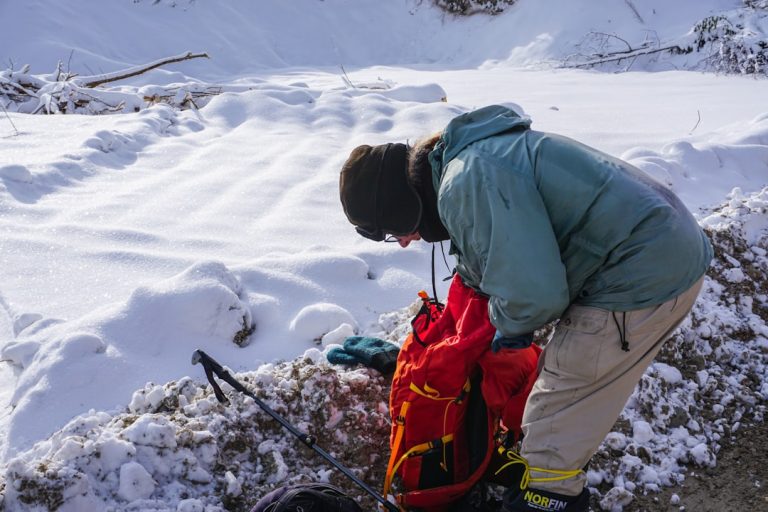
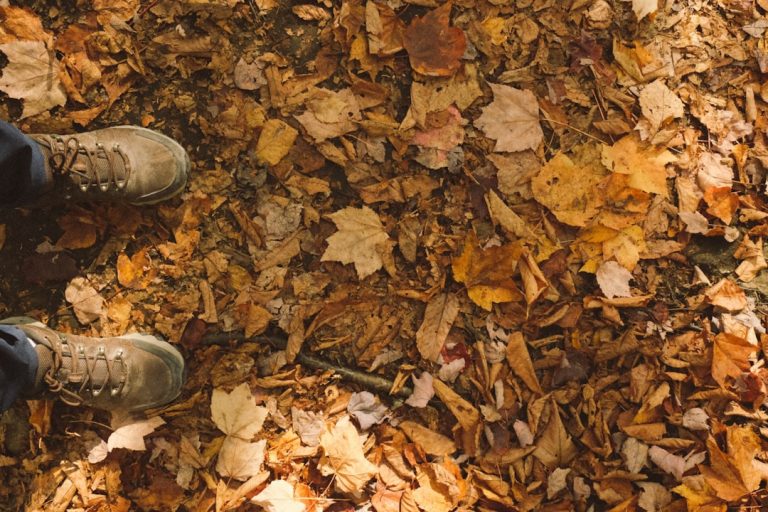
Temporary featured photo: Hannah Reding via Unsplash. An original unbranded editorial image has also been prepared for final publication.
Old Ranger Days is research-based: we work from verified specifications and official sources, and never claim hands-on testing unless it happened. Some links may be affiliate links. Editorial policy · Affiliate disclosure